3
Coral Pink Sand Dunes State Park

This Underrated Utah Park Has Pink Sand, Giant Dunes, and Stunning Sunsets
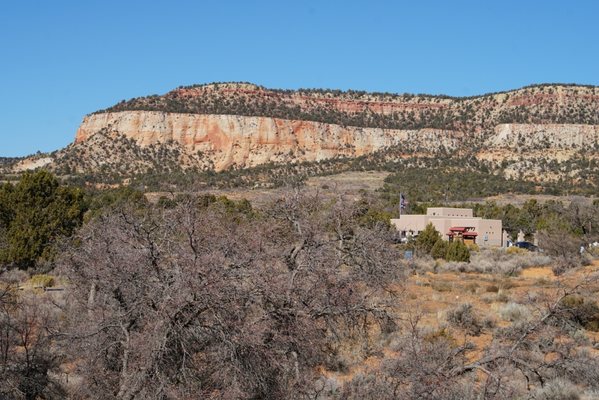
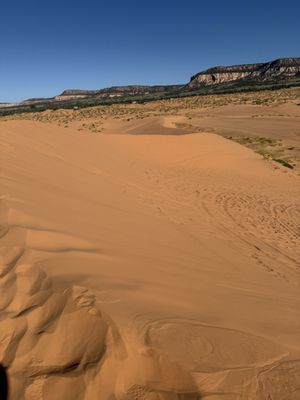
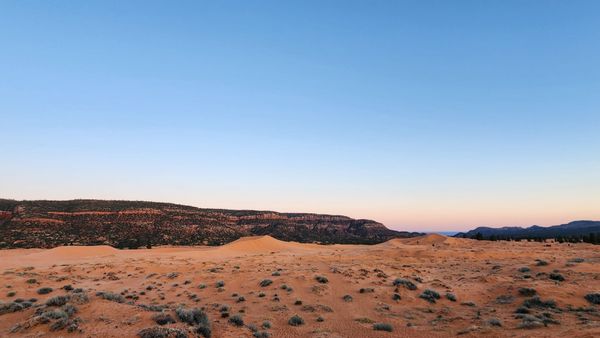
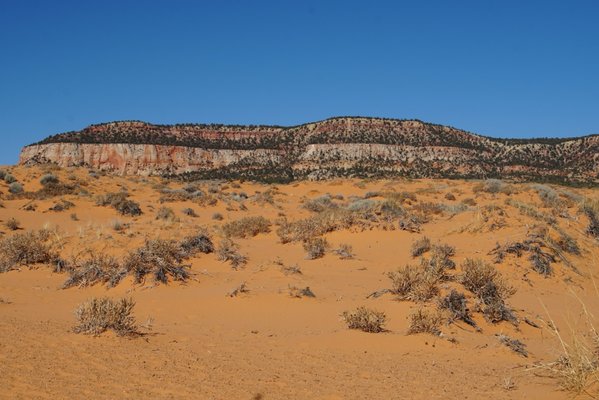
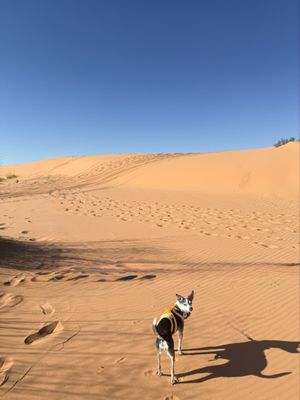
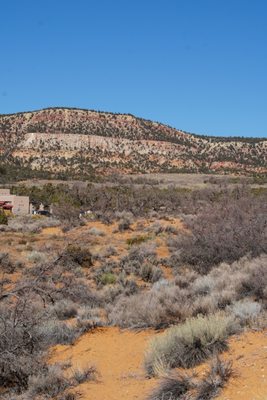
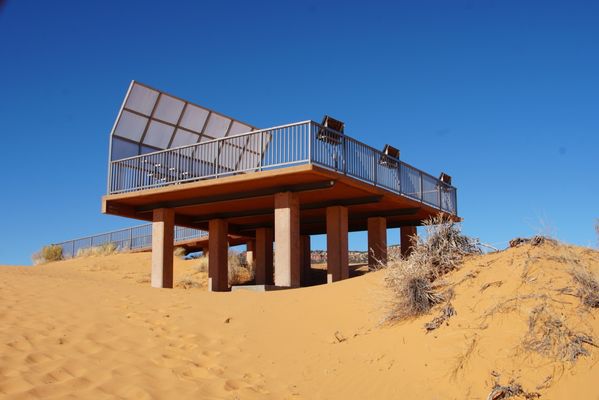
"Otherworldly pink sand—born from wind-eroded Navajo sandstone colored by hematite—sprawls across 3,730 acres at 6,000 feet, and it’s most spectacular at sunrise or sunset. Shaped by the Venturi effect as wind accelerates between the Moquith and Moccasin mountains and then drops its sand in the open valley, the dunes here are estimated to be 10,000 to 15,000 years old, while the park itself has been open since 1963. I come to hike every dune, rent sand sleds and sand boards on-site, or explore by ATV (about 90 percent of the dunes are open), with popular routes like the Sand Highway into a boundary canyon and the South Boundary Trail along the eastern edge; guided options include a two-hour "cruise and surf" with Roam Outdoor Adventure Co. or a rappelling tour with All Ways Adventures. Spring, early summer, or autumn makes the most comfortable visit, and concession stands run March through October. I also watch for the ultra-rare Coral Pink Sand Dunes tiger beetle—the only place on earth to see it—most likely on warm sunny mornings or late afternoons from April to mid-June or in September, and I never collect them. Open seven days a week during daylight year-round, the park offers two reservable campgrounds, and the $15 per-vehicle day-use fee can be paid online or at the park (Utah residents can use the Utah State Park Pass)." - Lydia Mansel Lydia Mansel Lydia Mansel is a writer with more than eight years of experience editing and writing for both brands and online publications—with a particular focus on travel, fashion, and lifestyle. She’s also the founder of the travel site justpacked.com. Travel + Leisure Editorial Guidelines
Information
Sand dunes of unique coral-pink hue with ATV, sandboarding, and hiking



Kanab, UT 84741 Get directions