Dariusz P.
Google
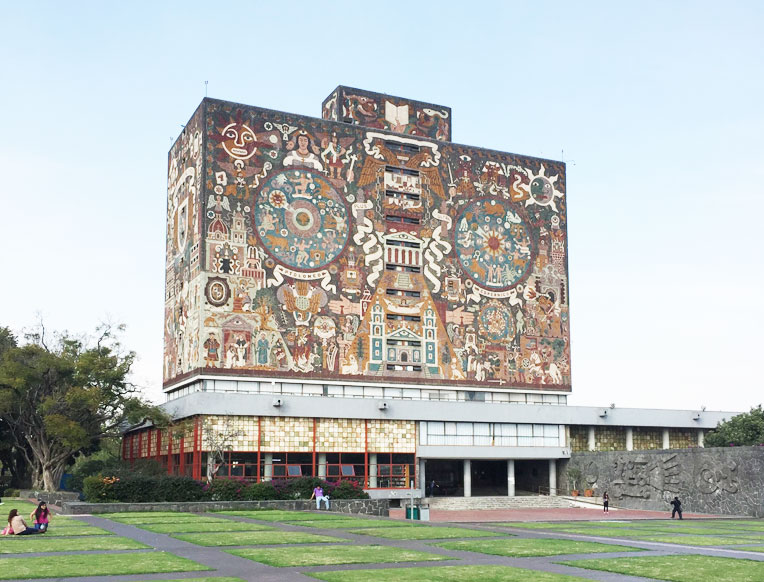
The National Autonomous University of Mexico (UNAM), centered at the breathtaking Ciudad Universitaria, is widely regarded in my academic circles as the ultimate vanguard of Latin American thought, where centuries of history meet a tireless drive for modern scientific discovery. From various deep-dive conversations with international scholars and alumni, it is clear that the institution offers a substantively elite intellectual environment that masterfully balances its role as a public pillar with its status as a world-class research powerhouse. Public sentiment among my acquaintances suggests that UNAM is far more than a school; it is a prestigious sanctuary for pluralism and critical inquiry, where the diverse voices of Mexico converge to tackle the most pressing global challenges. Friends who have spent time within its various faculties often highlight the exceptional caliber of the faculty and the unparalleled merytorical depth of its library and museum networks, marking it as a refined destination for those who seek to bridge tradition and innovation. In the eyes of many seasoned observers, the university’s ability to foster social mobility while maintaining such high academic standards is a testament to its visionary leadership and its indispensable role in the cultural life of the nation. Ultimately, UNAM remains a luminous beacon of excellence that, in the view of many, sets the standard for how a public institution can achieve global prestige without losing its profound commitment to the community.