8
Kousa House

Sushi Endo - Review - Campus - Austin - The Infatuation
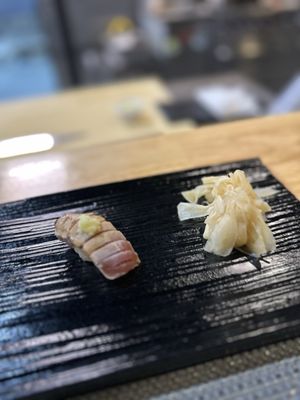
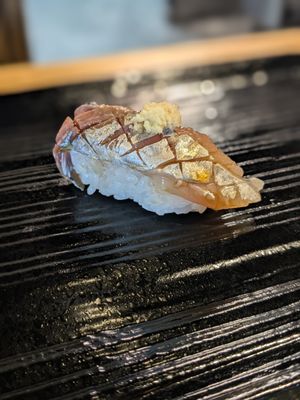
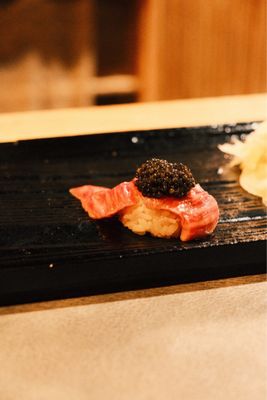
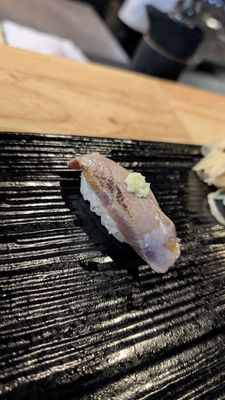
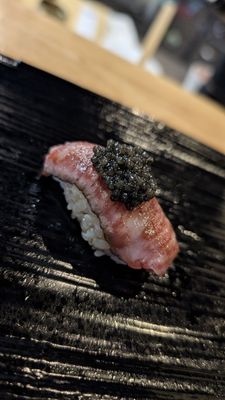
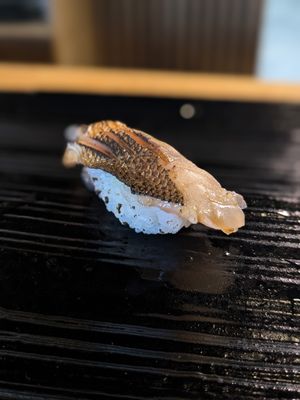
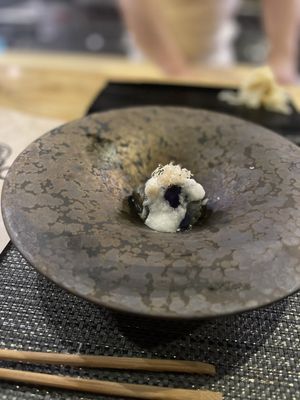
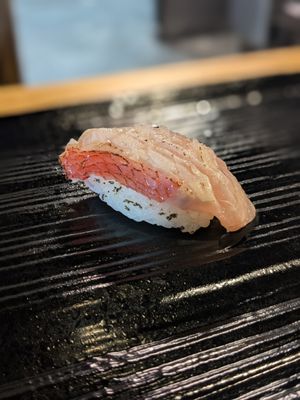
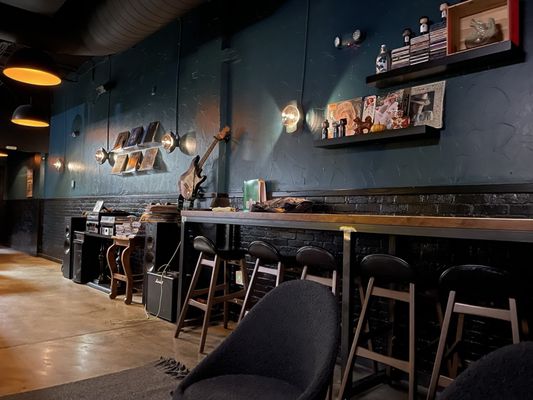
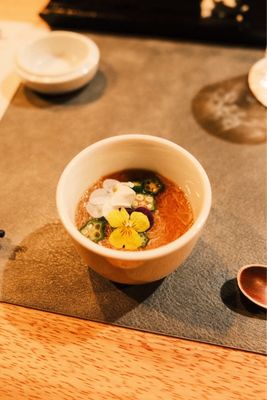
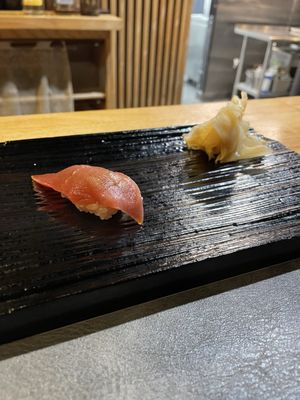
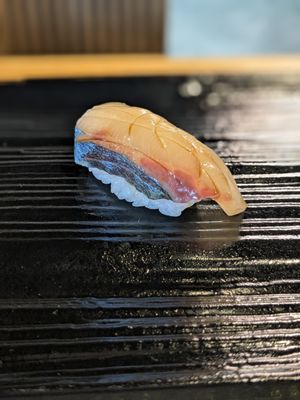
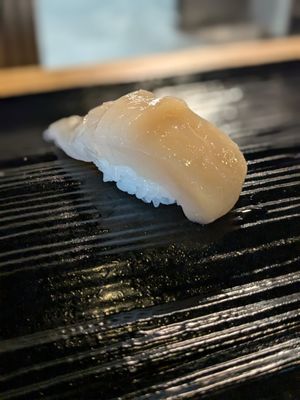
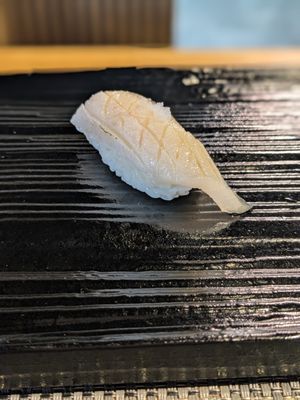
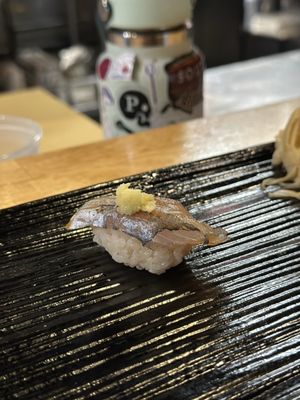
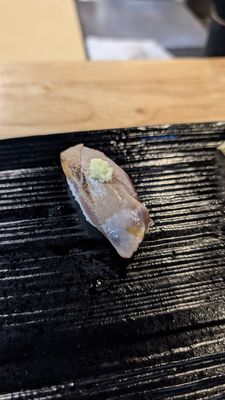
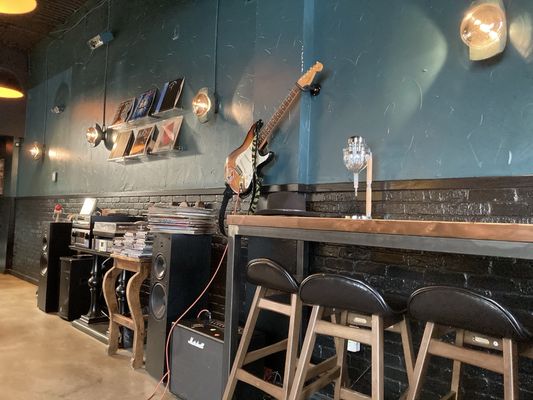
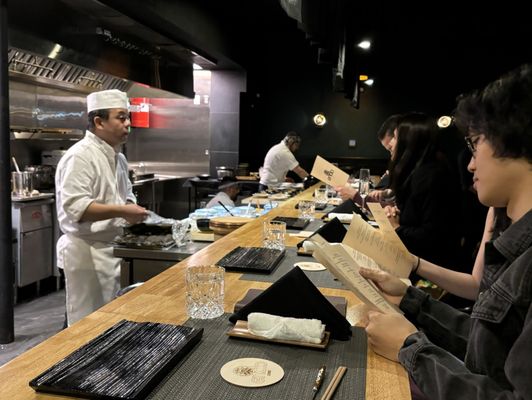
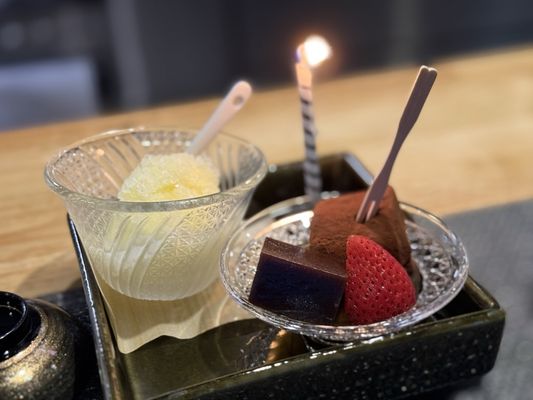
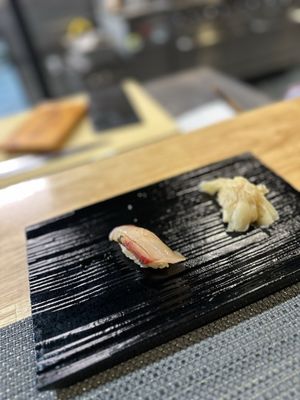
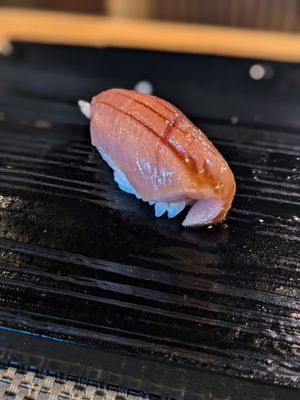
"Endo Sushi follows the same basic formula as Austin’s many other omakases: 20ish courses, blowtorched wagyu, uni and caviar add-ons, an intimate setting, and a chef who brings out his guitar at the end (à la Toshokan). It’s also among the city’s most expensive—second only to Otoko—despite delivering a very average experience. photo credit: Nicolai McCrary Dinner starts with a series of small plates before transitioning to about a dozen pieces of nigiri. There’s a nice flow to the meal, and the dishes generally build on each other, increasing from light to heavy like an ascending hierarchy of marine life. The nigiri is the highlight of the experience, with pieces that fall somewhere between good and great, and most of the fish undergoes some level of curing, dry-aging, or marinating to bring out textures and flavors. The small plates, on the other hand—including a whole, under-ripe, vinegar-soaked tomato—feel like afterthoughts thrown in to boost the course count. Don’t be surprised if you find fish scales on your sashimi or fragments of eggshell in your chawanmushi. Endo Sushi is not a bad meal, but it’s nowhere near as good as its price point would have you believe. For a few dollars less (and a few courses more), we’d recommend heading a mile up the road to Craft Omakase, or trying your luck at the impossible-to-get-into Tsuke Edomae. Food Rundown Omakase The plates change based on what’s in season, but you can generally expect about 20 courses in total, half of which are nigiri. A few of the pieces could use a little more salt or soy sauce, and the rice is occasionally packed too dense, but it’s a pretty enjoyable experience. At the end of the meal, there’s the option to add on a piece of uni, as well as a second piece of wagyu (with or without caviar). Try them if this is a special occasion—they’re both great quality—but keep in mind that they’ll set you back an additional $15-35 a piece on top of an already pricey meal. photo credit: Nicolai McCrary" - Nicolai McCrary