Sushi restaurant · West Town
Chef B.K. Park’s serene omakase temple delivers polished nigiri, meticulous aging, and refined kaiseki-like courses. Michelin-starred and consistently praised by Eater Chicago and local critics, it’s a benchmark for service, seasonality, and precision in the West Loop.
Sushi restaurant · West Loop
Chef Sangtae Park’s compact counter focuses on Edomae technique, flowing from delicate nigiri to savory signatures like miso-marinated black cod. Recognized by the Michelin Guide and frequently featured by Eater Chicago, it’s a focused, quietly intense experience.
Sushi restaurant · Logan Square
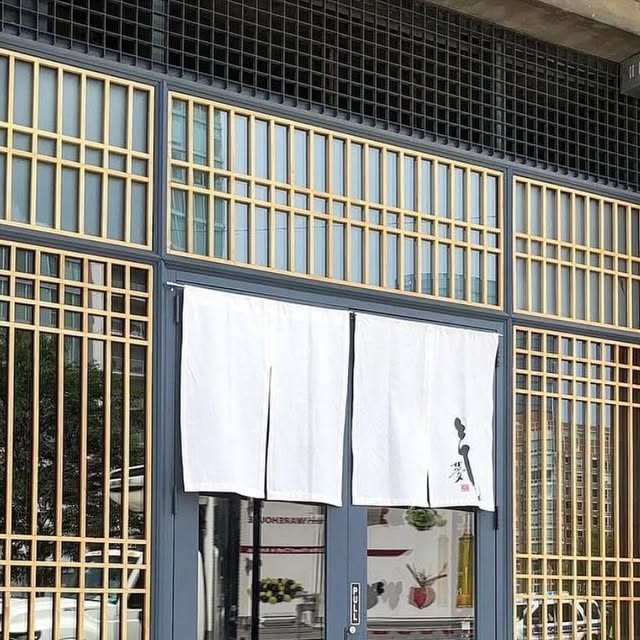
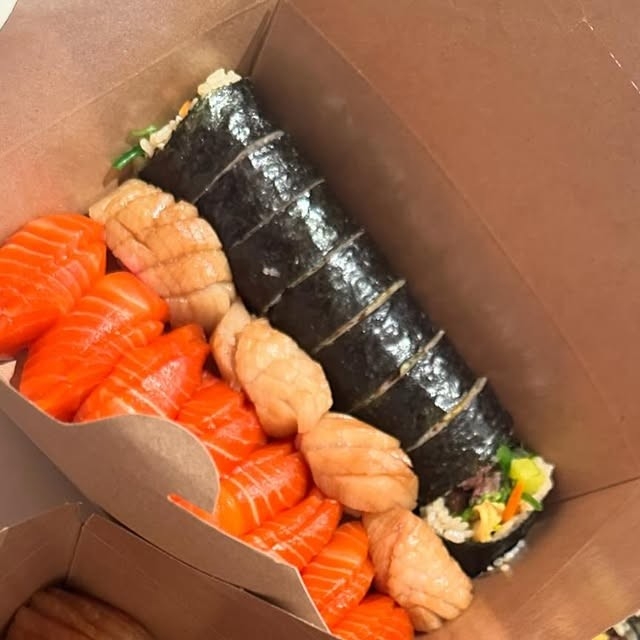
Chicago’s a prideful city when it comes to food. We brag about our steakhouses, we laugh at deep dish haters, and don’t get us started on hot dogs. But when it comes to sushi, we’re a little insecure—because deep down, we know that LA and New York have us beat. It’s impossible to compete with all their top-tier spots, not to mention the way they rub their oceans in our faces. Now that Kyoten is here, though, we can finally stand up to other cities’ fancy sushi scenes. Kyoten is omakase-only, and a meal here costs between $440-$490 (excluding tax). This makes it one of the most expensive tasting menu spots in the city. And while dropping the equivalent of a car payment on one dinner may be excessive, the quality of ingredients used in all 18 delicious courses is outstanding—so at no point will you wonder where all your money went. For one thing, dinner at Kyoten is an experience. Space-wise it’s like a gallery, with tall ceilings, minimally decorated walls, and an eight-person sushi bar dominating the room. And you should come prepared to hear the chef’s commentary on everything—from the fish flown in from Tokyo, to the different curing/aging/butchering techniques he uses, to ideas he stole from a chef in Japan (like the decision to use large-grained rice). Rather than coming across like an intrusive and obnoxious Cooking Channel demonstration, this transparency is refreshing and fun. Partly because what you’re eating is so good, you’ll be genuinely interested in finding out why. As far as the actual menu goes, you can count on expertly prepared nigiri (like shima aji, akamai, and saba), along with some impressive hot dishes. For example, a piece of fried tilefish with caviar and creme fraiche—basically an elegant (and delicious) fish stick. Or uni risotto with foie gras sauce, topped with another piece of uni. There’s even a dish of rendered beef fat poured over rice and covered with a pile of shaved white truffles, which is better than what you’ll find at your average Chicago steakhouse. And throughout, the heavily seasoned rice plays a key role. It doesn’t overwhelm the seafood—different batches with varying amounts of vinegar are made specifically for certain courses. Overall, by the time your night here is over, you’ll be trying to figure out how soon you can afford to come back. When a Chicagoan talks to a non-Chicagoan about a favorite sushi place in the city, there’s usually a qualifier (and an unasked-for geography lesson) about being in the Midwest. But Kyoten doesn’t need any of those caveats. It would be an impressive restaurant no matter where it was located. In fact, we can’t wait to take our friends from LA and New York here - or, at least, to fully believe ourselves when we say, "Yes, this place is better than the one in the West Village you won’t stop talking about." The offerings at Kyoten change regularly, but this is an example of what you can expect. RESERVE A TABLE WITH RESERVE A TABLE Food Rundown Umi Masu photo credit: Sandy Noto Shima Aji Akami The lean tuna is smoked with alder wood, which gives it a light smokiness. photo credit: Sandy Noto Aji Sawara The mackerel is aged for a week and a half, and seared on one side. A week and a half in sushi years might sound unappetizing, but the fish tastes fantastic. Kohada Ebi This butter-poached shrimp is sweet and tender. Ankimo The monkfish liver is really creamy, and unagi sauce gives it a little sweetness. Fried Tilefish And Caviar There’s so much caviar on this fried piece of fish it’s almost obnoxious, but we’re not complaining. Uni Risotto This risotto is the color of Cheetos and tastes like the ocean. It’s wonderful. Katsuo Medai The whole red snapper is butchered in front of you, and then you’ll see it made into sashimi with olive oil and a yuzu vinegar. This is simple and delicious. photo credit: Sandy Noto Hagashi This tuna is cut so that it’s completely smooth. So it’s basically fish butter. Toro The toro is seared on charcoal. It brings out the flavor, and texture-wise the fish melts on your tongue. Saba Aged Beef Fat With Truffle Anago Tamago The tamago at Kyoten is almost like a moist pound cake - our only complaint is that it isn’t the size of an actual piece of pound cake. Handroll Persimmons Fresh fruit in plum wine, with honey. It’s like something Cleopatra would have been served at the end of a feast, and we’re fine with it. - Adrian Kane
Sushi restaurant · Logan Square
Next to the flagship, this 10-seat counter distills the Kyōten philosophy into a more accessible, nigiri-driven format. Highlighted by the Michelin Guide and applauded by local critics, it balances premium sourcing with a relaxed, good-humored vibe.
Sushi restaurant · Wrightwood Neighbors
A neighborhood stalwart from B.K. Park’s team, Juno threads classic technique with playful signatures like the Juno Queen. Recognized by the Michelin Guide and a perennial media favorite, it’s a polished Lincoln Park standby with deep local roots.
Japanese restaurant · West Town
West Loop favorite with a strong nigiri program, skilled knife work, and a smart sake list. Selected by the Michelin Guide and praised by local publications, it delivers serious sushi without pretense—plus a buzzy Randolph Street setting.
Sushi restaurant · West Town
West Town’s lively, independent spot where bold maki art meets robata comfort. Featured by Time Out and beloved by locals, Yuzu shows Chicago personality—playful plating, hip-hop soundtrack, and a loyal neighborhood following.
Japanese restaurant · West Town
Gene Kato’s polished Japanese restaurant anchors Fulton Market with a full sushi program and robata, plus a downstairs izakaya. Recognized by the Michelin Guide and widely covered by Eater Chicago, it blends craft, range, and scene.
Sushi restaurant · Albany Park
A family-run institution for affordable, quality takeout trays, beloved across Chicago for decades. Highlighted by Eater Chicago’s best-sushi coverage, it’s a cultural touchstone where value, volume, and freshness meet.
Sushi restaurant · Lakeview East
A Lakeview East counter run by veteran sushi chefs, offering intimate seatings and a seasonal, value-minded omakase. Praised by recent diners and local guides, it’s a warmly hosted alternative to the big-ticket destinations.
Chef B.K. Park’s serene omakase temple delivers polished nigiri, meticulous aging, and refined kaiseki-like courses. Michelin-starred and consistently praised by Eater Chicago and local critics, it’s a benchmark for service, seasonality, and precision in the West Loop.

Chef Sangtae Park’s compact counter focuses on Edomae technique, flowing from delicate nigiri to savory signatures like miso-marinated black cod. Recognized by the Michelin Guide and frequently featured by Eater Chicago, it’s a focused, quietly intense experience.

Chicago’s a prideful city when it comes to food. We brag about our steakhouses, we laugh at deep dish haters, and don’t get us started on hot dogs. But when it comes to sushi, we’re a little insecure—because deep down, we know that LA and New York have us beat. It’s impossible to compete with all their top-tier spots, not to mention the way they rub their oceans in our faces. Now that Kyoten is here, though, we can finally stand up to other cities’ fancy sushi scenes. Kyoten is omakase-only, and a meal here costs between $440-$490 (excluding tax). This makes it one of the most expensive tasting menu spots in the city. And while dropping the equivalent of a car payment on one dinner may be excessive, the quality of ingredients used in all 18 delicious courses is outstanding—so at no point will you wonder where all your money went. For one thing, dinner at Kyoten is an experience. Space-wise it’s like a gallery, with tall ceilings, minimally decorated walls, and an eight-person sushi bar dominating the room. And you should come prepared to hear the chef’s commentary on everything—from the fish flown in from Tokyo, to the different curing/aging/butchering techniques he uses, to ideas he stole from a chef in Japan (like the decision to use large-grained rice). Rather than coming across like an intrusive and obnoxious Cooking Channel demonstration, this transparency is refreshing and fun. Partly because what you’re eating is so good, you’ll be genuinely interested in finding out why. As far as the actual menu goes, you can count on expertly prepared nigiri (like shima aji, akamai, and saba), along with some impressive hot dishes. For example, a piece of fried tilefish with caviar and creme fraiche—basically an elegant (and delicious) fish stick. Or uni risotto with foie gras sauce, topped with another piece of uni. There’s even a dish of rendered beef fat poured over rice and covered with a pile of shaved white truffles, which is better than what you’ll find at your average Chicago steakhouse. And throughout, the heavily seasoned rice plays a key role. It doesn’t overwhelm the seafood—different batches with varying amounts of vinegar are made specifically for certain courses. Overall, by the time your night here is over, you’ll be trying to figure out how soon you can afford to come back. When a Chicagoan talks to a non-Chicagoan about a favorite sushi place in the city, there’s usually a qualifier (and an unasked-for geography lesson) about being in the Midwest. But Kyoten doesn’t need any of those caveats. It would be an impressive restaurant no matter where it was located. In fact, we can’t wait to take our friends from LA and New York here - or, at least, to fully believe ourselves when we say, "Yes, this place is better than the one in the West Village you won’t stop talking about." The offerings at Kyoten change regularly, but this is an example of what you can expect. RESERVE A TABLE WITH RESERVE A TABLE Food Rundown Umi Masu photo credit: Sandy Noto Shima Aji Akami The lean tuna is smoked with alder wood, which gives it a light smokiness. photo credit: Sandy Noto Aji Sawara The mackerel is aged for a week and a half, and seared on one side. A week and a half in sushi years might sound unappetizing, but the fish tastes fantastic. Kohada Ebi This butter-poached shrimp is sweet and tender. Ankimo The monkfish liver is really creamy, and unagi sauce gives it a little sweetness. Fried Tilefish And Caviar There’s so much caviar on this fried piece of fish it’s almost obnoxious, but we’re not complaining. Uni Risotto This risotto is the color of Cheetos and tastes like the ocean. It’s wonderful. Katsuo Medai The whole red snapper is butchered in front of you, and then you’ll see it made into sashimi with olive oil and a yuzu vinegar. This is simple and delicious. photo credit: Sandy Noto Hagashi This tuna is cut so that it’s completely smooth. So it’s basically fish butter. Toro The toro is seared on charcoal. It brings out the flavor, and texture-wise the fish melts on your tongue. Saba Aged Beef Fat With Truffle Anago Tamago The tamago at Kyoten is almost like a moist pound cake - our only complaint is that it isn’t the size of an actual piece of pound cake. Handroll Persimmons Fresh fruit in plum wine, with honey. It’s like something Cleopatra would have been served at the end of a feast, and we’re fine with it.

Next to the flagship, this 10-seat counter distills the Kyōten philosophy into a more accessible, nigiri-driven format. Highlighted by the Michelin Guide and applauded by local critics, it balances premium sourcing with a relaxed, good-humored vibe.
A neighborhood stalwart from B.K. Park’s team, Juno threads classic technique with playful signatures like the Juno Queen. Recognized by the Michelin Guide and a perennial media favorite, it’s a polished Lincoln Park standby with deep local roots.

West Loop favorite with a strong nigiri program, skilled knife work, and a smart sake list. Selected by the Michelin Guide and praised by local publications, it delivers serious sushi without pretense—plus a buzzy Randolph Street setting.
West Town’s lively, independent spot where bold maki art meets robata comfort. Featured by Time Out and beloved by locals, Yuzu shows Chicago personality—playful plating, hip-hop soundtrack, and a loyal neighborhood following.
Gene Kato’s polished Japanese restaurant anchors Fulton Market with a full sushi program and robata, plus a downstairs izakaya. Recognized by the Michelin Guide and widely covered by Eater Chicago, it blends craft, range, and scene.

A family-run institution for affordable, quality takeout trays, beloved across Chicago for decades. Highlighted by Eater Chicago’s best-sushi coverage, it’s a cultural touchstone where value, volume, and freshness meet.

A Lakeview East counter run by veteran sushi chefs, offering intimate seatings and a seasonal, value-minded omakase. Praised by recent diners and local guides, it’s a warmly hosted alternative to the big-ticket destinations.

Sushi restaurant · West Town
Chef B.K. Park’s serene omakase temple delivers polished nigiri, meticulous aging, and refined kaiseki-like courses. Michelin-starred and consistently praised by Eater Chicago and local critics, it’s a benchmark for service, seasonality, and precision in the West Loop.
Sushi restaurant · West Loop
Chef Sangtae Park’s compact counter focuses on Edomae technique, flowing from delicate nigiri to savory signatures like miso-marinated black cod. Recognized by the Michelin Guide and frequently featured by Eater Chicago, it’s a focused, quietly intense experience.
Sushi restaurant · Logan Square
Chicago’s a prideful city when it comes to food. We brag about our steakhouses, we laugh at deep dish haters, and don’t get us started on hot dogs. But when it comes to sushi, we’re a little insecure—because deep down, we know that LA and New York have us beat. It’s impossible to compete with all their top-tier spots, not to mention the way they rub their oceans in our faces. Now that Kyoten is here, though, we can finally stand up to other cities’ fancy sushi scenes. Kyoten is omakase-only, and a meal here costs between $440-$490 (excluding tax). This makes it one of the most expensive tasting menu spots in the city. And while dropping the equivalent of a car payment on one dinner may be excessive, the quality of ingredients used in all 18 delicious courses is outstanding—so at no point will you wonder where all your money went. For one thing, dinner at Kyoten is an experience. Space-wise it’s like a gallery, with tall ceilings, minimally decorated walls, and an eight-person sushi bar dominating the room. And you should come prepared to hear the chef’s commentary on everything—from the fish flown in from Tokyo, to the different curing/aging/butchering techniques he uses, to ideas he stole from a chef in Japan (like the decision to use large-grained rice). Rather than coming across like an intrusive and obnoxious Cooking Channel demonstration, this transparency is refreshing and fun. Partly because what you’re eating is so good, you’ll be genuinely interested in finding out why. As far as the actual menu goes, you can count on expertly prepared nigiri (like shima aji, akamai, and saba), along with some impressive hot dishes. For example, a piece of fried tilefish with caviar and creme fraiche—basically an elegant (and delicious) fish stick. Or uni risotto with foie gras sauce, topped with another piece of uni. There’s even a dish of rendered beef fat poured over rice and covered with a pile of shaved white truffles, which is better than what you’ll find at your average Chicago steakhouse. And throughout, the heavily seasoned rice plays a key role. It doesn’t overwhelm the seafood—different batches with varying amounts of vinegar are made specifically for certain courses. Overall, by the time your night here is over, you’ll be trying to figure out how soon you can afford to come back. When a Chicagoan talks to a non-Chicagoan about a favorite sushi place in the city, there’s usually a qualifier (and an unasked-for geography lesson) about being in the Midwest. But Kyoten doesn’t need any of those caveats. It would be an impressive restaurant no matter where it was located. In fact, we can’t wait to take our friends from LA and New York here - or, at least, to fully believe ourselves when we say, "Yes, this place is better than the one in the West Village you won’t stop talking about." The offerings at Kyoten change regularly, but this is an example of what you can expect. RESERVE A TABLE WITH RESERVE A TABLE Food Rundown Umi Masu photo credit: Sandy Noto Shima Aji Akami The lean tuna is smoked with alder wood, which gives it a light smokiness. photo credit: Sandy Noto Aji Sawara The mackerel is aged for a week and a half, and seared on one side. A week and a half in sushi years might sound unappetizing, but the fish tastes fantastic. Kohada Ebi This butter-poached shrimp is sweet and tender. Ankimo The monkfish liver is really creamy, and unagi sauce gives it a little sweetness. Fried Tilefish And Caviar There’s so much caviar on this fried piece of fish it’s almost obnoxious, but we’re not complaining. Uni Risotto This risotto is the color of Cheetos and tastes like the ocean. It’s wonderful. Katsuo Medai The whole red snapper is butchered in front of you, and then you’ll see it made into sashimi with olive oil and a yuzu vinegar. This is simple and delicious. photo credit: Sandy Noto Hagashi This tuna is cut so that it’s completely smooth. So it’s basically fish butter. Toro The toro is seared on charcoal. It brings out the flavor, and texture-wise the fish melts on your tongue. Saba Aged Beef Fat With Truffle Anago Tamago The tamago at Kyoten is almost like a moist pound cake - our only complaint is that it isn’t the size of an actual piece of pound cake. Handroll Persimmons Fresh fruit in plum wine, with honey. It’s like something Cleopatra would have been served at the end of a feast, and we’re fine with it. - Adrian Kane
Sushi restaurant · Logan Square
Next to the flagship, this 10-seat counter distills the Kyōten philosophy into a more accessible, nigiri-driven format. Highlighted by the Michelin Guide and applauded by local critics, it balances premium sourcing with a relaxed, good-humored vibe.
Sushi restaurant · Wrightwood Neighbors
A neighborhood stalwart from B.K. Park’s team, Juno threads classic technique with playful signatures like the Juno Queen. Recognized by the Michelin Guide and a perennial media favorite, it’s a polished Lincoln Park standby with deep local roots.
Japanese restaurant · West Town
West Loop favorite with a strong nigiri program, skilled knife work, and a smart sake list. Selected by the Michelin Guide and praised by local publications, it delivers serious sushi without pretense—plus a buzzy Randolph Street setting.
Sushi restaurant · West Town
West Town’s lively, independent spot where bold maki art meets robata comfort. Featured by Time Out and beloved by locals, Yuzu shows Chicago personality—playful plating, hip-hop soundtrack, and a loyal neighborhood following.
Japanese restaurant · West Town
Gene Kato’s polished Japanese restaurant anchors Fulton Market with a full sushi program and robata, plus a downstairs izakaya. Recognized by the Michelin Guide and widely covered by Eater Chicago, it blends craft, range, and scene.
Sushi restaurant · Albany Park
A family-run institution for affordable, quality takeout trays, beloved across Chicago for decades. Highlighted by Eater Chicago’s best-sushi coverage, it’s a cultural touchstone where value, volume, and freshness meet.
Sushi restaurant · Lakeview East
A Lakeview East counter run by veteran sushi chefs, offering intimate seatings and a seasonal, value-minded omakase. Praised by recent diners and local guides, it’s a warmly hosted alternative to the big-ticket destinations.