3
El Charrito

How Salinas Mexican Grocery Store El Charrito Became a Statewide Favorite for Burritos | Eater SF
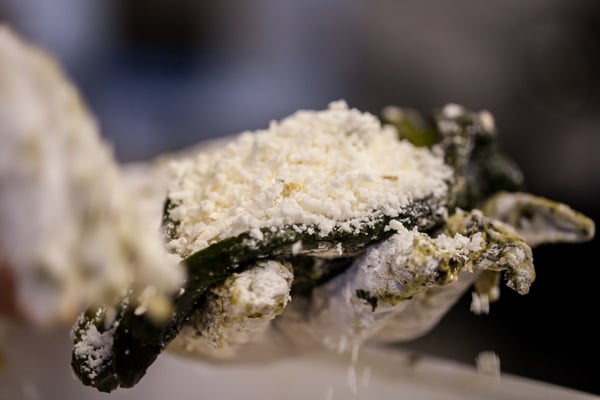
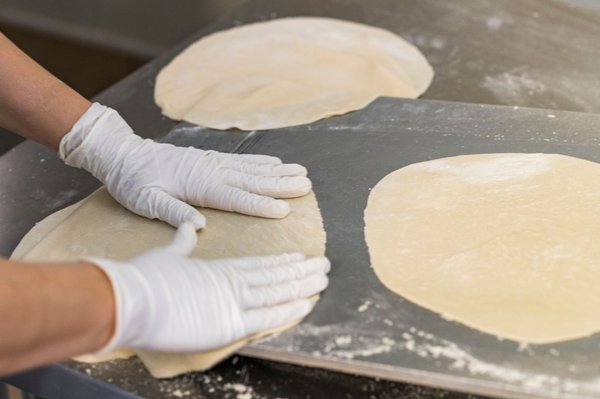
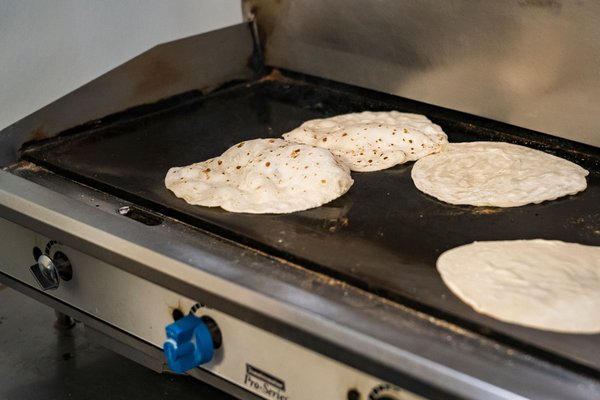
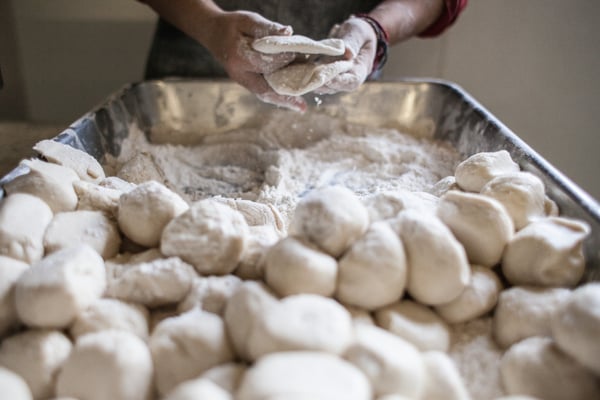
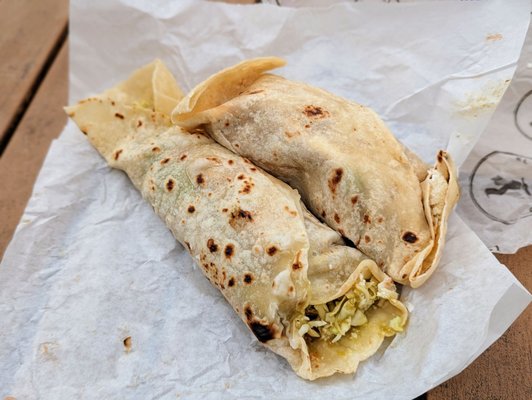
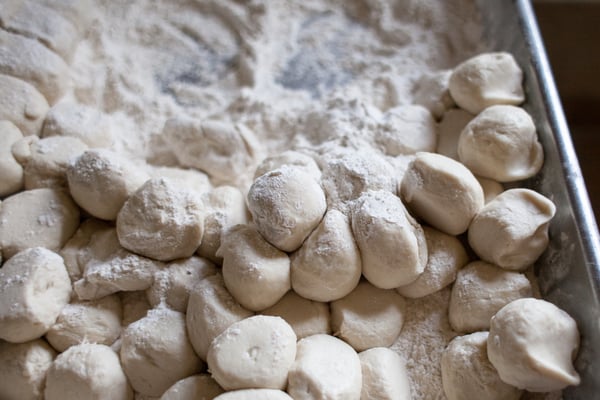
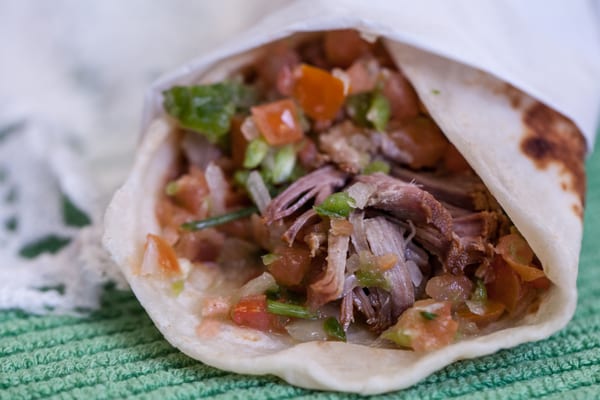
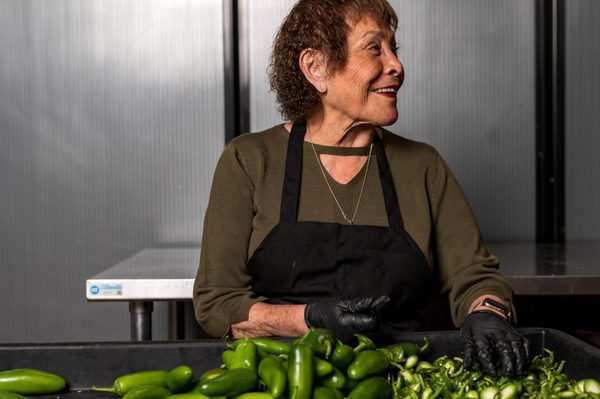
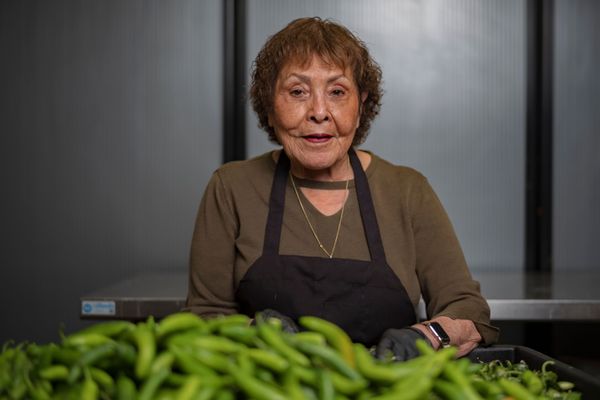
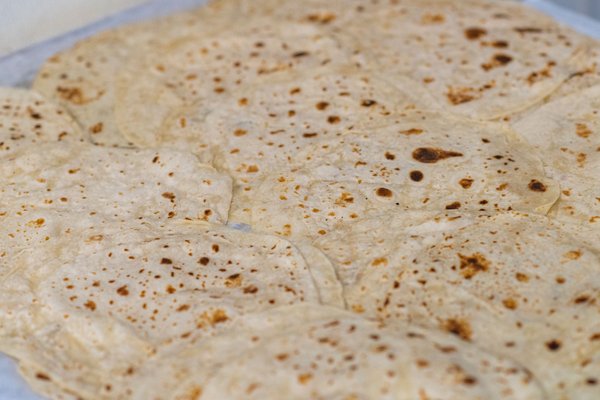
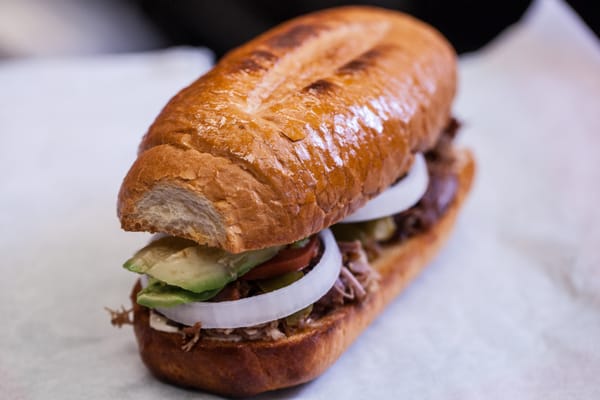
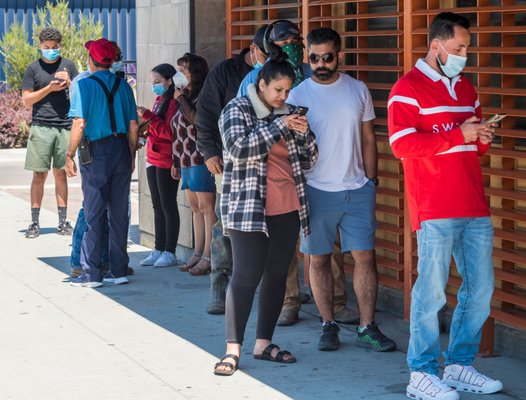
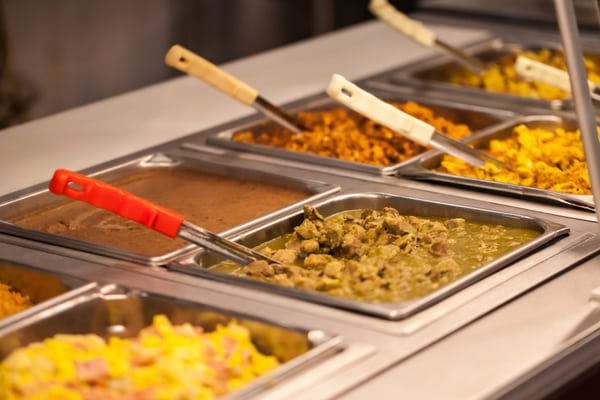
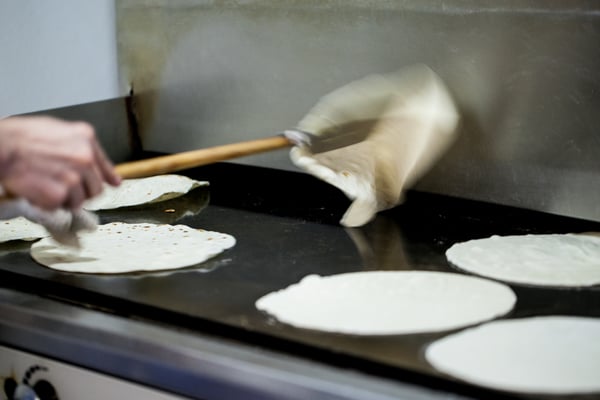
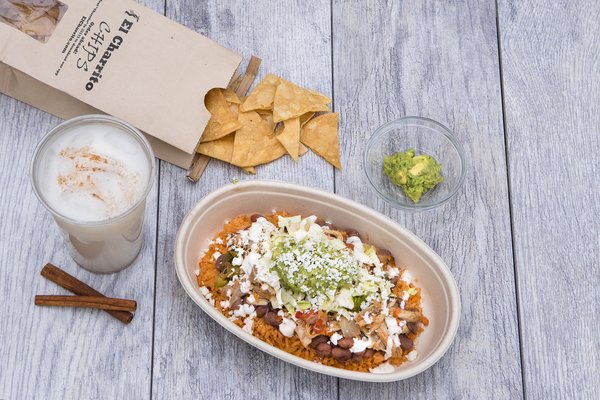
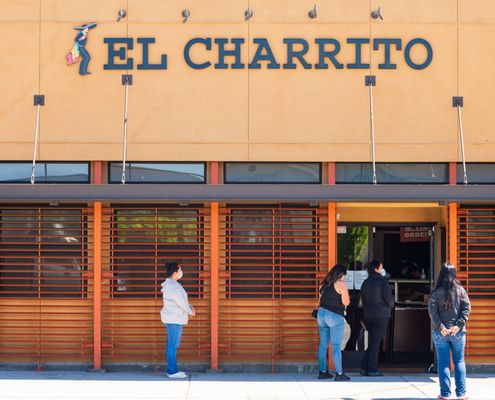
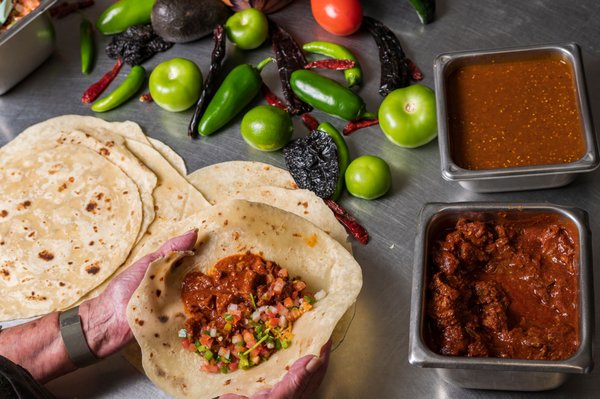
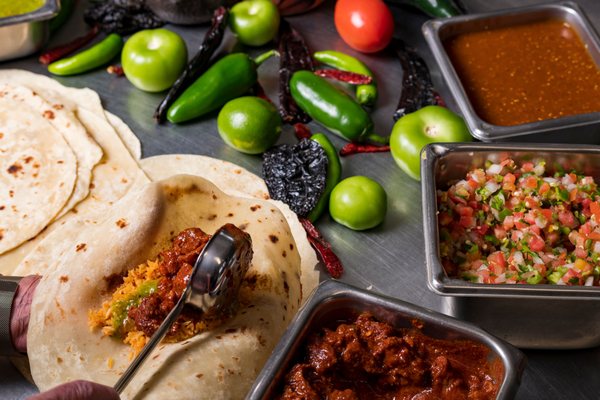
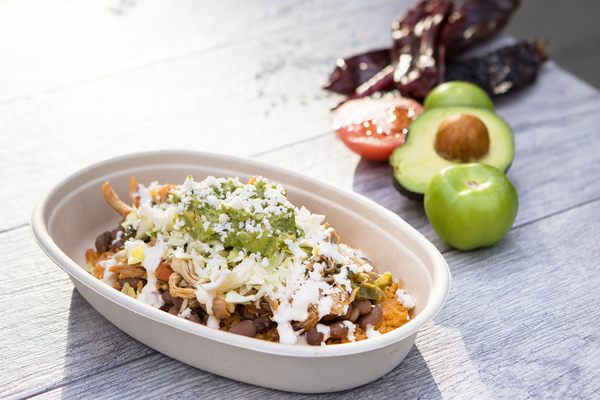
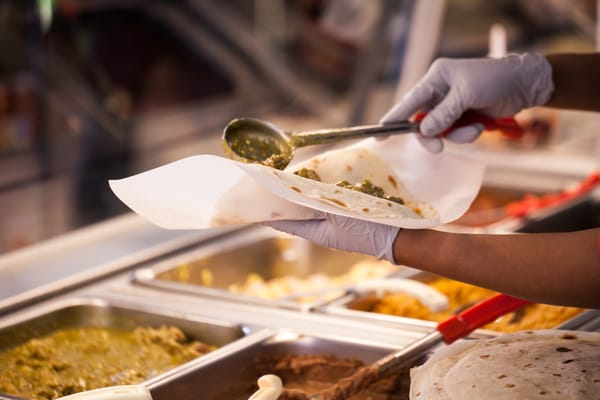
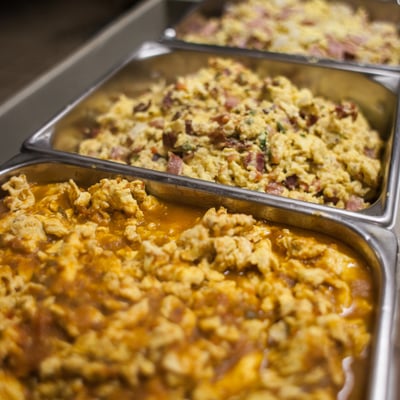
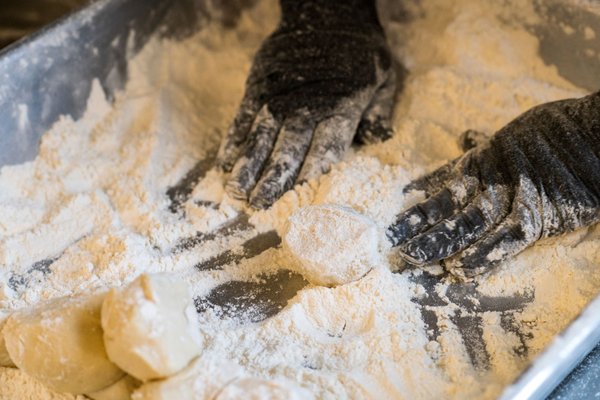
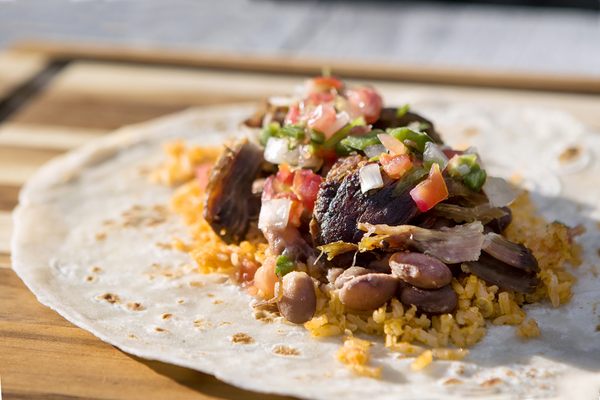
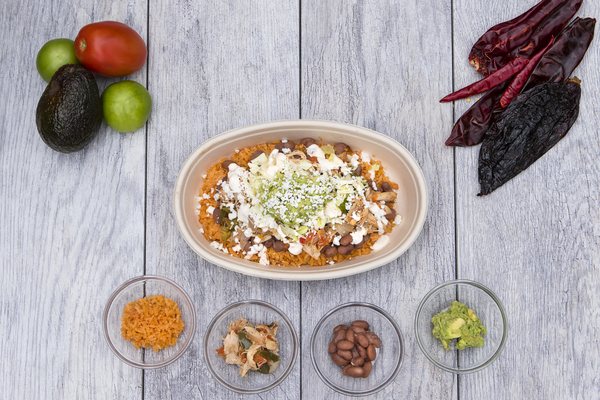
Located on a dusty strip of West Market Street in Salinas, I found a yellow, strictly to‑go spot whose packed parking lot and steady stream of muddy work trucks make its popularity obvious. Inside there are no dining tables — just an outdoor patio and a well‑oiled operation of staff manning a counter lined with five steam tables, filling orders in Spanish and English while online orders and delivery drivers bustle by. I watched tortillas made from scratch starting as early as 4 a.m. — mixed, rounded, rolled, pressed and grilled in batches so they puff and achieve charred spots — which locals queue for as early as 5:40 a.m.; a pack of 10 can sell out by 6:10 a.m. and retail tortillas are limited to two per customer. Burritos here are compact, tightly folded and wrapped in parchment: each tortilla is brushed with beans, ladled with rice and a choice of one of 12 meats (carne asada, pollo guisado, and chile colorado among them), topped with salsa, and finished with painstakingly prepared components — rice cooked in chicken broth, eggs cracked by hand, chorizo marinated overnight, a three‑hour family recipe for beans, and a two‑day chile verde that is roasted, simmered and browned per Teresa Moncada’s instructions. The Moncada family — Teresa and Jose, who immigrated from Santa Fe del Río, Michoacán, and bought the Market Street grocery in 1981 — turned Teresa’s home recipes into what I experienced as “slow‑fast food”: served quickly and conveniently but built from long, careful processes, including two full‑time butchers and a single person who batters and fries about 90 chile rellenos each day. Recent efforts by the grandchildren to modernize operations (installing tilt skillets after extensive testing, launching an ordering app, and streamlining the shop to focus on burritos) have scaled the business to roughly 750 walk‑in burritos daily plus hundreds more online and even an El Charrito Express in Monterey. - Dianne de Guzman