6
Etosha National Park

What the Wildfires in Namibia’s Biggest National Park Mean for Locals, Travelers, and Animals | Condé Nast Traveler
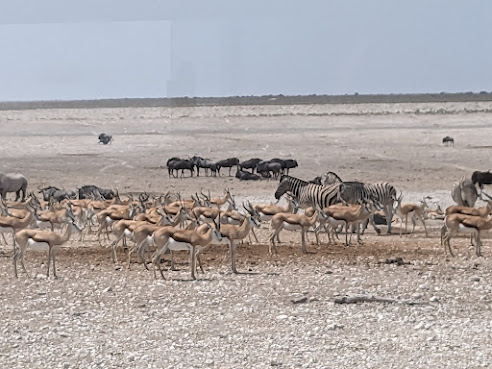
"After a substantial rainy season the western plains of Etosha National Park were unusually lush, and abundant grasses provided the perfect fuel for wildfires that began on Monday, September 22 and flared again two days later, burning until September 30 and scorching some 2.1 million acres (just under 40% of the park). Thankfully there have been no reported human casualties and the flames largely burned in the less-habituated western reaches, so lodges were not impacted, but investigations suggest the fires were likely human-induced. Experts note that wildfire is a natural and sometimes beneficial disturbance in savanna ecosystems—Andrew Parker calls it an essential process—but reckless human behavior can make fires spread uncontrollably and threaten infrastructure, wildlife, and people. The park remains open for visitors (game drives are running and lodges are operating as usual), and safari operators such as Shaun Stanley advise travelers not to cancel trips; still, adjacent communities and some farms in the Omusati region have lost grazing land and livestock are at risk. Wildlife casualties are likely—small mammals and reptiles and possibly some antelope and elephants suffered—but Etosha’s enormous size probably helped many animals escape, veterinarians are monitoring watering holes and corridors, and there have been no reported cheetah deaths; after the next rains the burned areas should green up (usually within six weeks) and attract grazers and predators, so longer-term recovery and even positive ecological effects are expected." - Samantha Falewée