3
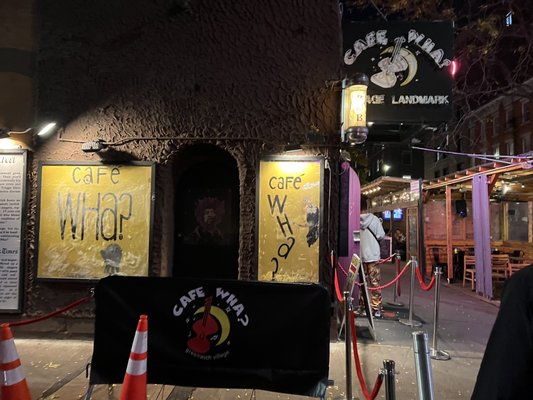
Cafe Wha?

Lunch Is Free at This Mission-Driven East Village Restaurant | Eater NY
"Walking into the kitchen, the air smells sweet and toasty — "like I could float along it like a cartoon pig." It's bulgogi day: the cooks are turning out lunch for around 150 patrons, plating richly spiced beef bulgogi with rice and a cumin-laced salad, and by service time servers can barely move through the crowded dining room. The operation is tucked in the basement of the Elim House of Worship (the former St. Brigid Catholic school), hidden from the street but identifiable by the crowd lingering on the sidewalk; in late 2023 St. Brigid became the site of endless lines when the city used it as a “reticketing center” for single adult refugees. The free restaurant was born out of a job-training initiative run by mutual aid groups East Village Neighbors Who Care and EVLovesNYC: “They wanted me to do a restaurant-specific one, and it turned out to be such a huge hit, like over 100 guys showed up to learn about what it’s like to work in a New York City restaurant,” says Tyler Hefferon, director of operations of EVLovesNYC. After inviting volunteers to help in the distribution kitchen and finding space in October 2024, the program formalized into a restaurant that pairs hands-on cooking with workforce support. “We have an eight-week training program, so they’ll spend eight weeks in the kitchen with us. And then we’re also sharing the space with a job training and application room. So it’s this nice little pipeline,” says Hefferon. The menu is driven by donations and volunteer chefs and typically offers a beef, chicken, and vegan option — with spices on hand to make dishes like beef stroganoff, mafe tiga, kale salads, honey-glazed salmon, and chicken curry. Every week, 7th Street Burger donates 150 pounds of halal beef, and on Fridays the kitchen recreates the restaurant’s smash burgers with an ersatz version of their house sauce. So far about 40 of the men the program works with have received work authorization, and the organizers have helped 15 of them find paid jobs in restaurant kitchens, catering companies, and food-distributing non-profits; diners are mostly West African migrants who come to take English lessons, work on resumes, or just sit in some warmth. To protect patrons, the program holds Know Your Rights trainings and has made physical changes to the space — like clearly labeling private areas in case ICE shows up — though Hefferon emphasizes day-to-day aims: helping men get work authorizations, job placements, and permanent housing. “I don’t think getting a job making 20 bucks an hour as a line cook is the end goal. Most of them have more education than I do,” he says. The nonprofit EVLovesNYC receives no city or state funding and relies on small donors: “The reality of it is that a lot more people are talking about this work. You always see a donor surge in times like these, and that actually gives us more resources,” says Hefferon. The day the writer visited marked a milestone — the kitchen had served its 15,000th meal in just four months — and most diners returned the next day, excited to see what’s on the menu." - Jaya Saxena