Tea Houses in New York (2025)
Té Company
Tea store · West Village
Restaurant Review: This Tiny Taiwanese Tearoom Is One of New York’s Most Thrilling Places to Eat | The New Yorker
Hidden on a narrow West Village storefront marked only by a small teapot painted on the single‑paned window, I’m already regretting telling you about Té Company, a two‑year‑old Taiwanese tearoom whose cozy, austere interior—just a few wooden tables, a counter, and neatly aproned staff—belies what I consider one of the most exciting restaurants in New York. Service is as polished as a river stone: Alejandro Manjivar greets like a tea sommelier, flipping through a leather‑bound menu to recommend teas such as the Oriental Beauty ("super grassy, a little citrusy"), No. 2028 ("sweeter and rounder, shares a grandfather with milk oolong"), or Green Sanctuary White ("really savory, almost like an aperitif"), which are steeped in ceramic pots at carefully calibrated temperatures, decanted into little pitchers and poured into handleless cups, with timely refills that feel uncanny. The tea program is led by Elena Liao, who imports Taiwanese teas and wholesales them to restaurants, while her husband Frederico Ribeiro—formerly a sous‑chef at Per Se—usually mans the counter and cooks a tiny, outstanding menu that recently shifted from Spanish and Portuguese dishes (a custardy tortilla Española and even poached veal brain dressed in parsley) to Taiwanese pairings: glossy white rice topped with braised pork caramelized with star anise and garnished with pickled daikon, shaved scallion, cilantro, fried shallots, and an optional soy‑marinated gooey‑yolk egg; a bowl of toasted peanuts tossed with sesame, sweet Sichuan peppercorns, and dried chilies; poached octopus with melting edges and a chewy center in a fruity wild‑tea vinaigrette; crisp endive with olive oil, lime zest, shaved bottarga, and impossibly light garlic aioli; and a brilliant pineapple linzer—Ribeiro’s twist on Taiwanese pineapple cake—filled with pineapple‑rosemary jam made with yuzu kosho between flaky hazelnut shortbread, finished with lime zest and sea salt. Dishes run $5–$14. - Hannah Goldfield
Cha-An
Tea house · East Village
A Japanese tearoom since 2004, Cha-An blends omotenashi hospitality with a deep tea list and wagashi-driven desserts. Weekend afternoon tea and intimate tea-ceremony sessions in the renovated chashitsu sell out quickly, a sign of ongoing vibrancy. Frequently recommended by Vogue and New York–area editors, it’s a graceful contrast to hotel tea service—quietly rooted in Japanese technique and seasonality.
Kettl Tea - Greenpoint
Tea house · Greenpoint
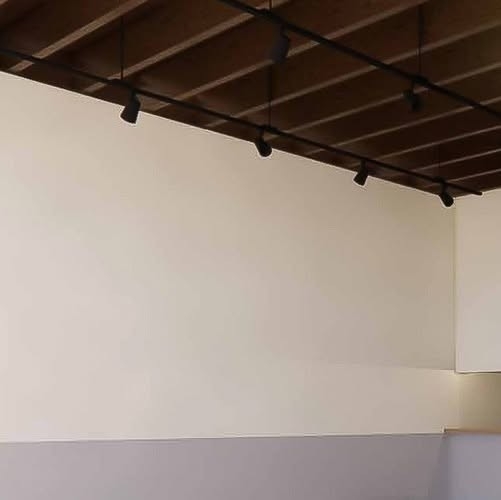
Zach and Minami Mangan’s flagship connects New York directly to Japan through house-milled matcha, a reservation-only tasting counter, and a gallery of artisan ceramics. The New York Times has praised Kettl’s approach to freshness and sourcing, and the brand’s community events underline its cultural footprint. It’s the city’s clearest window into contemporary Japanese tea craft without leaving Brooklyn.
Setsugekka East Village
Tea house · East Village
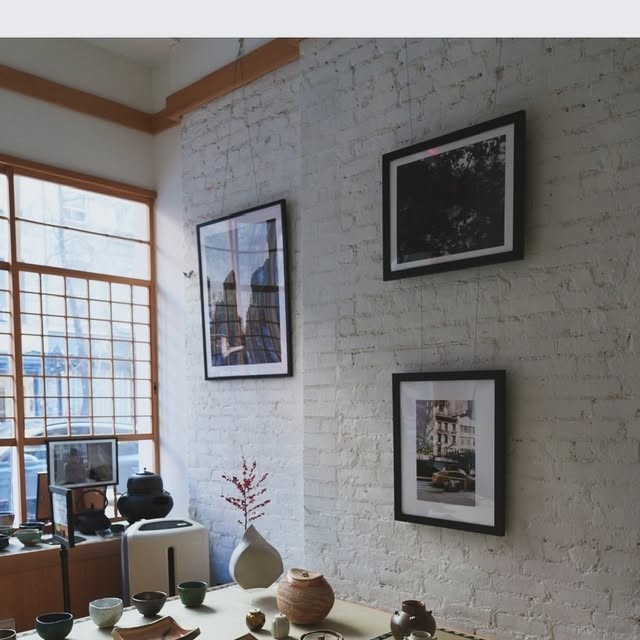
Tea master Souheki Mori leads a meditative matcha experience—part café, part cultural studio. Guests sit at the bar or tatami to watch traditional whisking, and small events highlight music, calligraphy, and chanoyu philosophy. It’s a focused stop for those who want to understand matcha beyond lattes, often noted by neighborhood publications and Japan-focused writers.
Lafayette Tea Shop
Tea store · Chinatown
A minimalist Nolita haven for gongfu-style brewing, where you can reserve Brew at the Table to steep fine Chinese, Taiwanese, and Korean teas at your pace. Tea educators guide flights and deeper ‘Tea Journey’ sessions that welcome both novices and enthusiasts. Recently highlighted in national food media, it’s a calm, education-forward counterpoint to grab-and-go culture.
Fang Gourmet Tea
Tea store · Flushing
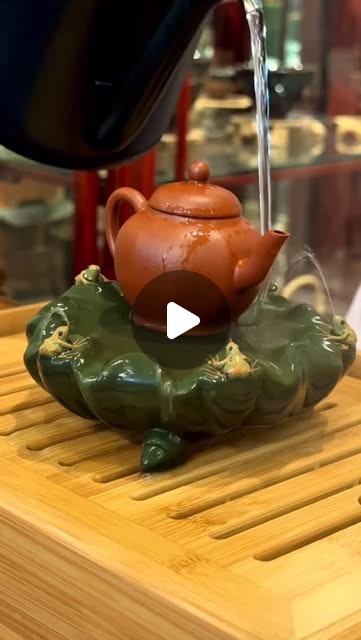
A Queens stalwart known for patient gongfu tastings and an encyclopedic selection of Chinese and Taiwanese teas. Serious Eats and other editors have steered Flushing visitors here for years, praising approachable, knowledge-rich service. Expect multiple infusions, talk of origin and aging, and a gentle reset from Roosevelt Avenue’s bustle.
Physical Graffitea
Tea store · East Village
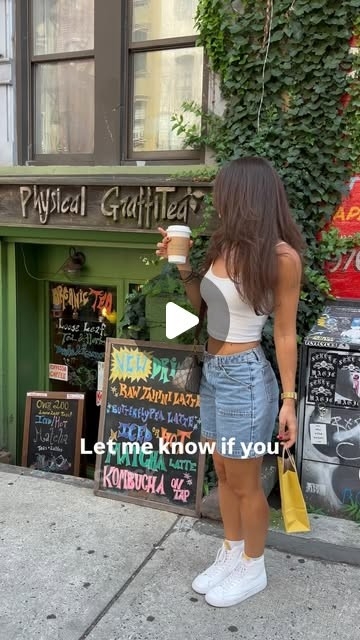
Next to the famed Physical Graffiti building, this intimate micro–tea room stocks hundreds of loose teas and encourages analog, screen-free sipping. Manhattan Sideways has chronicled its neighborhood roots and owner-driven ethos. Come for personalized blends, conversation, and an East Village time capsule that’s resolutely independent.
Paquita
Tea house · West Village
A West Village nook with about a hundred teas, elegant canisters, and just a few seats—more salon than café. Eater NY spotlights its thoughtful blends and clear labeling, while local writers note its reading-friendly calm and no-laptop policy. Order a pot, a small sweet, and watch the neighborhood flow by.
FLOATING MOUNTAIN Tea House |2nd FLOOR|
Tea house · Upper West Side
An Upper West Side tea sanctuary where Chinese teas are poured in quiet, reservation-friendly sessions and art shows share space with the tea table. Local press has chronicled its reopening and ongoing events. Expect shoe-free stillness, careful gongfu service, and teas that reward unhurried attention.
Brooklyn High Low - Original Location
Tea house · Prospect Heights
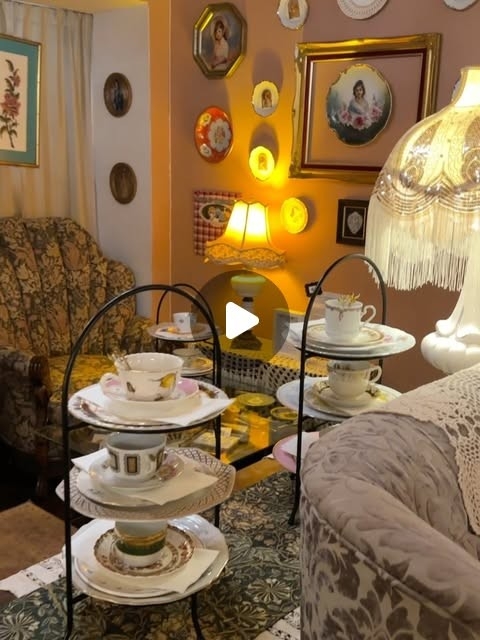
A Brooklyn-born afternoon tea parlor that treats tea as ceremony, not spectacle—tiered bites, vintage china, and a curated tea list. Vogue and other lifestyle editors regularly recommend it, and a second Park Slope outpost shows how strongly locals have embraced its ritual. Reserve ahead, especially on weekends.
Tea & Sympathy
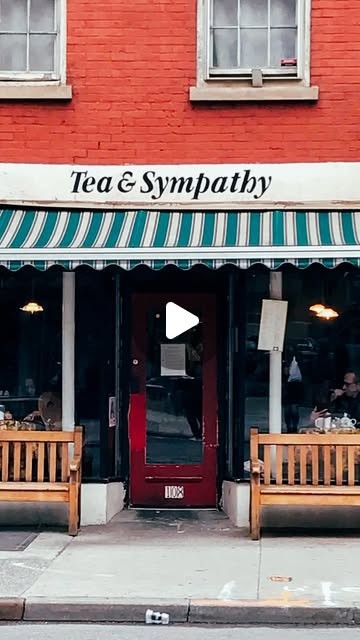
British restaurant · West Village
A Village institution since 1990, this British-run spot remains part tearoom, part cultural anchor. Afternoon tea pairs with classic savory plates, and it’s repeatedly cited by national lifestyle publications for authentic, unfussy charm. The shop next door keeps British teas and staples in circulation for the neighborhood.
Tea Houses in New York (2025)
Hidden on a narrow West Village storefront marked only by a small teapot painted on the single‑paned window, I’m already regretting telling you about Té Company, a two‑year‑old Taiwanese tearoom whose cozy, austere interior—just a few wooden tables, a counter, and neatly aproned staff—belies what I consider one of the most exciting restaurants in New York. Service is as polished as a river stone: Alejandro Manjivar greets like a tea sommelier, flipping through a leather‑bound menu to recommend teas such as the Oriental Beauty ("super grassy, a little citrusy"), No. 2028 ("sweeter and rounder, shares a grandfather with milk oolong"), or Green Sanctuary White ("really savory, almost like an aperitif"), which are steeped in ceramic pots at carefully calibrated temperatures, decanted into little pitchers and poured into handleless cups, with timely refills that feel uncanny. The tea program is led by Elena Liao, who imports Taiwanese teas and wholesales them to restaurants, while her husband Frederico Ribeiro—formerly a sous‑chef at Per Se—usually mans the counter and cooks a tiny, outstanding menu that recently shifted from Spanish and Portuguese dishes (a custardy tortilla Española and even poached veal brain dressed in parsley) to Taiwanese pairings: glossy white rice topped with braised pork caramelized with star anise and garnished with pickled daikon, shaved scallion, cilantro, fried shallots, and an optional soy‑marinated gooey‑yolk egg; a bowl of toasted peanuts tossed with sesame, sweet Sichuan peppercorns, and dried chilies; poached octopus with melting edges and a chewy center in a fruity wild‑tea vinaigrette; crisp endive with olive oil, lime zest, shaved bottarga, and impossibly light garlic aioli; and a brilliant pineapple linzer—Ribeiro’s twist on Taiwanese pineapple cake—filled with pineapple‑rosemary jam made with yuzu kosho between flaky hazelnut shortbread, finished with lime zest and sea salt. Dishes run $5–$14.
A Japanese tearoom since 2004, Cha-An blends omotenashi hospitality with a deep tea list and wagashi-driven desserts. Weekend afternoon tea and intimate tea-ceremony sessions in the renovated chashitsu sell out quickly, a sign of ongoing vibrancy. Frequently recommended by Vogue and New York–area editors, it’s a graceful contrast to hotel tea service—quietly rooted in Japanese technique and seasonality.
Zach and Minami Mangan’s flagship connects New York directly to Japan through house-milled matcha, a reservation-only tasting counter, and a gallery of artisan ceramics. The New York Times has praised Kettl’s approach to freshness and sourcing, and the brand’s community events underline its cultural footprint. It’s the city’s clearest window into contemporary Japanese tea craft without leaving Brooklyn.
Tea master Souheki Mori leads a meditative matcha experience—part café, part cultural studio. Guests sit at the bar or tatami to watch traditional whisking, and small events highlight music, calligraphy, and chanoyu philosophy. It’s a focused stop for those who want to understand matcha beyond lattes, often noted by neighborhood publications and Japan-focused writers.
A minimalist Nolita haven for gongfu-style brewing, where you can reserve Brew at the Table to steep fine Chinese, Taiwanese, and Korean teas at your pace. Tea educators guide flights and deeper ‘Tea Journey’ sessions that welcome both novices and enthusiasts. Recently highlighted in national food media, it’s a calm, education-forward counterpoint to grab-and-go culture.
A Queens stalwart known for patient gongfu tastings and an encyclopedic selection of Chinese and Taiwanese teas. Serious Eats and other editors have steered Flushing visitors here for years, praising approachable, knowledge-rich service. Expect multiple infusions, talk of origin and aging, and a gentle reset from Roosevelt Avenue’s bustle.
Next to the famed Physical Graffiti building, this intimate micro–tea room stocks hundreds of loose teas and encourages analog, screen-free sipping. Manhattan Sideways has chronicled its neighborhood roots and owner-driven ethos. Come for personalized blends, conversation, and an East Village time capsule that’s resolutely independent.
A West Village nook with about a hundred teas, elegant canisters, and just a few seats—more salon than café. Eater NY spotlights its thoughtful blends and clear labeling, while local writers note its reading-friendly calm and no-laptop policy. Order a pot, a small sweet, and watch the neighborhood flow by.
An Upper West Side tea sanctuary where Chinese teas are poured in quiet, reservation-friendly sessions and art shows share space with the tea table. Local press has chronicled its reopening and ongoing events. Expect shoe-free stillness, careful gongfu service, and teas that reward unhurried attention.
A Brooklyn-born afternoon tea parlor that treats tea as ceremony, not spectacle—tiered bites, vintage china, and a curated tea list. Vogue and other lifestyle editors regularly recommend it, and a second Park Slope outpost shows how strongly locals have embraced its ritual. Reserve ahead, especially on weekends.
A Village institution since 1990, this British-run spot remains part tearoom, part cultural anchor. Afternoon tea pairs with classic savory plates, and it’s repeatedly cited by national lifestyle publications for authentic, unfussy charm. The shop next door keeps British teas and staples in circulation for the neighborhood.
Té Company
Tea store · West Village
Restaurant Review: This Tiny Taiwanese Tearoom Is One of New York’s Most Thrilling Places to Eat | The New Yorker
Hidden on a narrow West Village storefront marked only by a small teapot painted on the single‑paned window, I’m already regretting telling you about Té Company, a two‑year‑old Taiwanese tearoom whose cozy, austere interior—just a few wooden tables, a counter, and neatly aproned staff—belies what I consider one of the most exciting restaurants in New York. Service is as polished as a river stone: Alejandro Manjivar greets like a tea sommelier, flipping through a leather‑bound menu to recommend teas such as the Oriental Beauty ("super grassy, a little citrusy"), No. 2028 ("sweeter and rounder, shares a grandfather with milk oolong"), or Green Sanctuary White ("really savory, almost like an aperitif"), which are steeped in ceramic pots at carefully calibrated temperatures, decanted into little pitchers and poured into handleless cups, with timely refills that feel uncanny. The tea program is led by Elena Liao, who imports Taiwanese teas and wholesales them to restaurants, while her husband Frederico Ribeiro—formerly a sous‑chef at Per Se—usually mans the counter and cooks a tiny, outstanding menu that recently shifted from Spanish and Portuguese dishes (a custardy tortilla Española and even poached veal brain dressed in parsley) to Taiwanese pairings: glossy white rice topped with braised pork caramelized with star anise and garnished with pickled daikon, shaved scallion, cilantro, fried shallots, and an optional soy‑marinated gooey‑yolk egg; a bowl of toasted peanuts tossed with sesame, sweet Sichuan peppercorns, and dried chilies; poached octopus with melting edges and a chewy center in a fruity wild‑tea vinaigrette; crisp endive with olive oil, lime zest, shaved bottarga, and impossibly light garlic aioli; and a brilliant pineapple linzer—Ribeiro’s twist on Taiwanese pineapple cake—filled with pineapple‑rosemary jam made with yuzu kosho between flaky hazelnut shortbread, finished with lime zest and sea salt. Dishes run $5–$14. - Hannah Goldfield
Cha-An
Tea house · East Village
A Japanese tearoom since 2004, Cha-An blends omotenashi hospitality with a deep tea list and wagashi-driven desserts. Weekend afternoon tea and intimate tea-ceremony sessions in the renovated chashitsu sell out quickly, a sign of ongoing vibrancy. Frequently recommended by Vogue and New York–area editors, it’s a graceful contrast to hotel tea service—quietly rooted in Japanese technique and seasonality.
Kettl Tea - Greenpoint
Tea house · Greenpoint
Zach and Minami Mangan’s flagship connects New York directly to Japan through house-milled matcha, a reservation-only tasting counter, and a gallery of artisan ceramics. The New York Times has praised Kettl’s approach to freshness and sourcing, and the brand’s community events underline its cultural footprint. It’s the city’s clearest window into contemporary Japanese tea craft without leaving Brooklyn.
Setsugekka East Village
Tea house · East Village
Tea master Souheki Mori leads a meditative matcha experience—part café, part cultural studio. Guests sit at the bar or tatami to watch traditional whisking, and small events highlight music, calligraphy, and chanoyu philosophy. It’s a focused stop for those who want to understand matcha beyond lattes, often noted by neighborhood publications and Japan-focused writers.
Lafayette Tea Shop
Tea store · Chinatown
A minimalist Nolita haven for gongfu-style brewing, where you can reserve Brew at the Table to steep fine Chinese, Taiwanese, and Korean teas at your pace. Tea educators guide flights and deeper ‘Tea Journey’ sessions that welcome both novices and enthusiasts. Recently highlighted in national food media, it’s a calm, education-forward counterpoint to grab-and-go culture.
Fang Gourmet Tea
Tea store · Flushing
A Queens stalwart known for patient gongfu tastings and an encyclopedic selection of Chinese and Taiwanese teas. Serious Eats and other editors have steered Flushing visitors here for years, praising approachable, knowledge-rich service. Expect multiple infusions, talk of origin and aging, and a gentle reset from Roosevelt Avenue’s bustle.
Physical Graffitea
Tea store · East Village
Next to the famed Physical Graffiti building, this intimate micro–tea room stocks hundreds of loose teas and encourages analog, screen-free sipping. Manhattan Sideways has chronicled its neighborhood roots and owner-driven ethos. Come for personalized blends, conversation, and an East Village time capsule that’s resolutely independent.
Paquita
Tea house · West Village
A West Village nook with about a hundred teas, elegant canisters, and just a few seats—more salon than café. Eater NY spotlights its thoughtful blends and clear labeling, while local writers note its reading-friendly calm and no-laptop policy. Order a pot, a small sweet, and watch the neighborhood flow by.
FLOATING MOUNTAIN Tea House |2nd FLOOR|
Tea house · Upper West Side
An Upper West Side tea sanctuary where Chinese teas are poured in quiet, reservation-friendly sessions and art shows share space with the tea table. Local press has chronicled its reopening and ongoing events. Expect shoe-free stillness, careful gongfu service, and teas that reward unhurried attention.
Brooklyn High Low - Original Location
Tea house · Prospect Heights
A Brooklyn-born afternoon tea parlor that treats tea as ceremony, not spectacle—tiered bites, vintage china, and a curated tea list. Vogue and other lifestyle editors regularly recommend it, and a second Park Slope outpost shows how strongly locals have embraced its ritual. Reserve ahead, especially on weekends.
Tea & Sympathy
British restaurant · West Village
A Village institution since 1990, this British-run spot remains part tearoom, part cultural anchor. Afternoon tea pairs with classic savory plates, and it’s repeatedly cited by national lifestyle publications for authentic, unfussy charm. The shop next door keeps British teas and staples in circulation for the neighborhood.