7
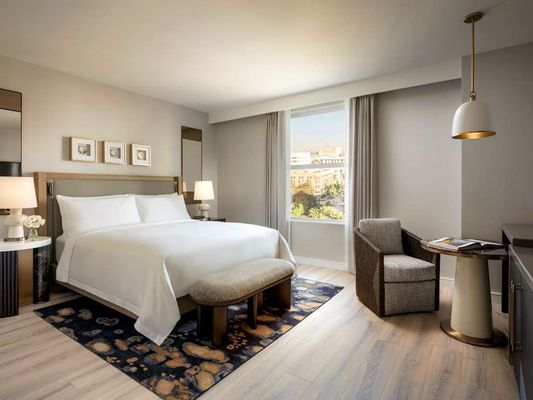
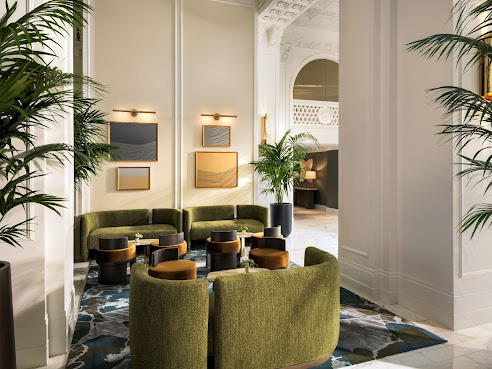
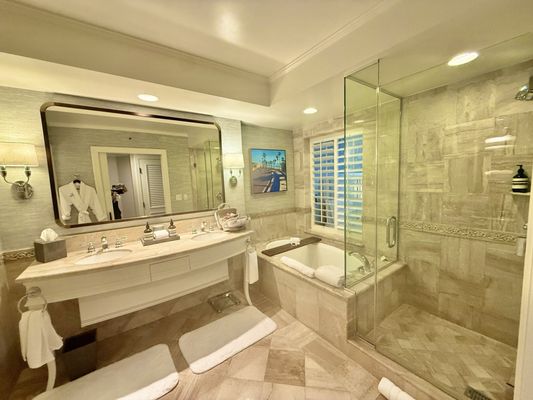
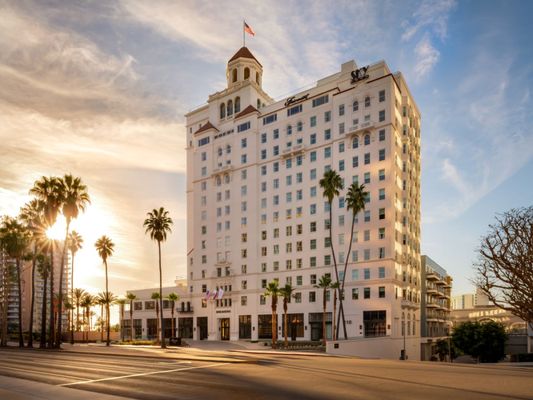
Fairmont Breakers Long Beach

Old Hollywood History Comes to Life at the Glamorous New Sky Room in Long Beach | Eater LA
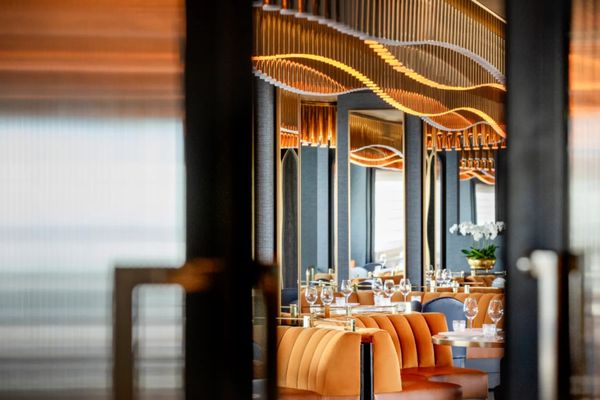
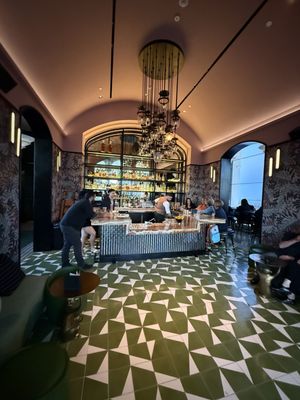
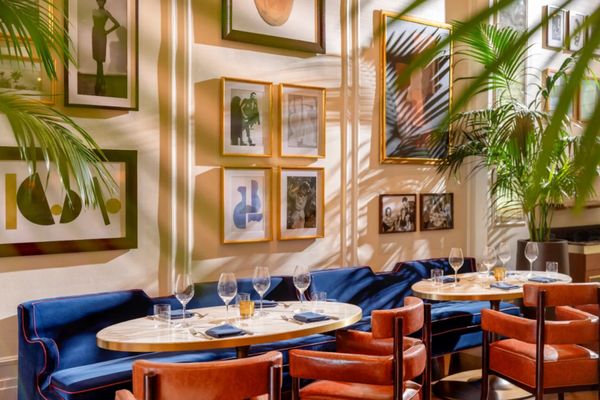
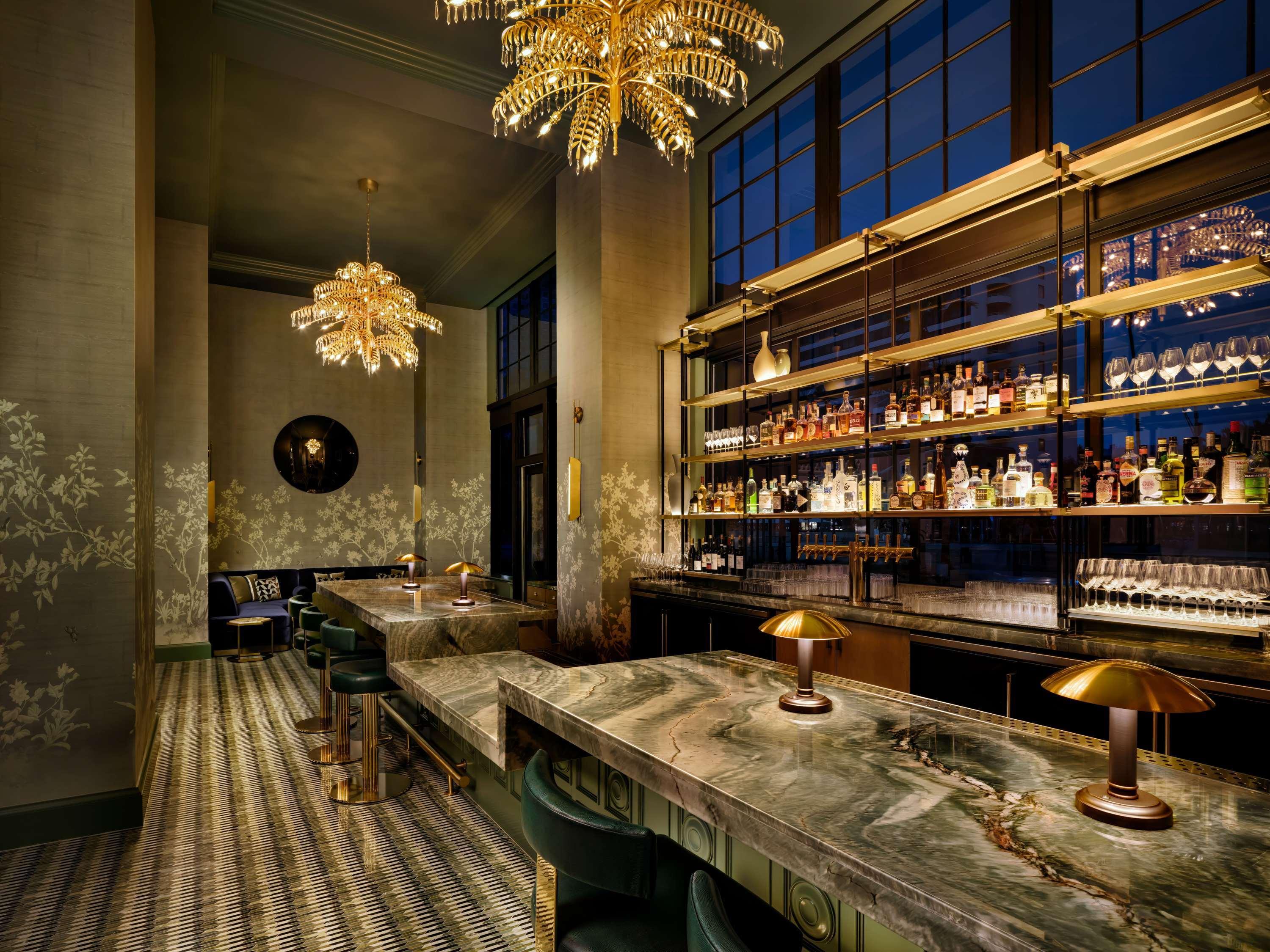
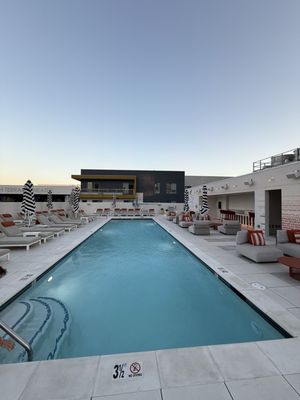
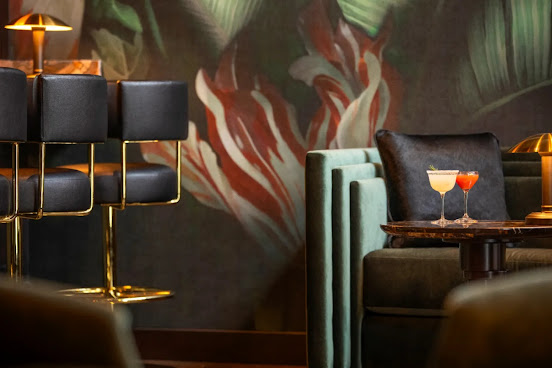
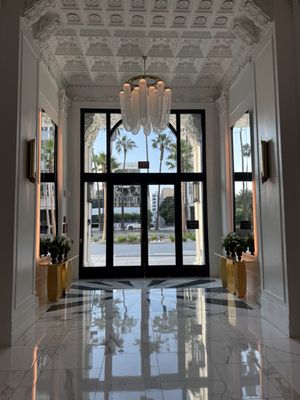
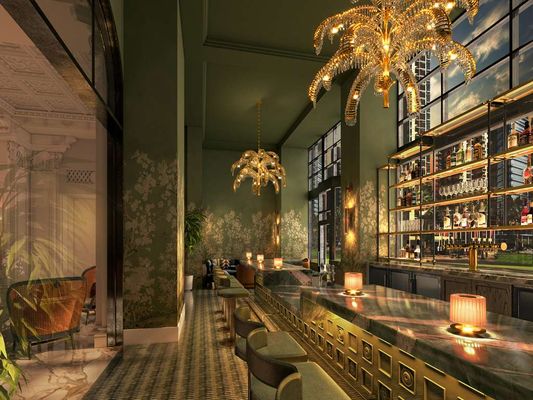
"When Conrad Hilton purchased the Breakers Hotel in Long Beach in 1938, he turned the 14th floor into a restaurant, giving birth to an iconic rooftop dining room whose earliest menu boasted grilled lamb chops with fried pineapple, corned beef tongue, and goose liver. For Long Beach residents the room is a foundational part of the city’s collective memory, hosting proms, proposals, anniversaries, and birthdays, and for decades it served as one of the city’s “special night” destinations—an emblem of Old Hollywood that hosted the likes of Rita Hayworth, Clark Cable, and Cary Grant in its early years. After a period of decline, the Fairmont Breakers Long Beach reopened in November 2024 following five years and $150 million in renovation; the ground floor houses the traditional Italian restaurant Nettuno, while the entire penthouse has been revived as the rooftop restaurant led by executive chef Jared Reeves and chef de cuisine Max Pfeiffer. The menu’s stated goal is to highlight the grandeur of the past through new, well-executed dishes such as hiramasa kingfish crudo layered with passionfruit and fennel or blood orange and radish depending on what’s in season; a classic take on steak tartare with pickled mustard, cornichons, capers, and beef fat before adding potato chips and egg yolk jam; Campo Grande Iberian pork presa using the prized shoulder cut that’s brined and slow-roasted before hitting the grill and finished plated with a ragu of caramelized sauerkraut and pork jus; a fowl lineup including classic duck á l’orange and a whole roasted quail stuffed with duck sausage then seared in duck fat; and an old-school beef Wellington with puff pastry wrapped around finely chopped mushroom duxelles and a tenderloin of California wagyu. Incredible views are integral to the experience: a north-facing bar backed by windows looks out over the heart of Long Beach and, on clear days, Downtown Los Angeles, while the dining room’s south-facing windows point toward the Queen Mary, the nation’s biggest shipping ports, and Catalina Island. Inside, a chandelier wraps around the center stretch—hundreds of cylindrical bulbs creating a wavy ode to the ocean below—white marble tables contrast with dark wood flooring, and multi-colored Art Deco floor stones harken to the restaurant’s original aesthetic. Reeves and Pfeiffer deliberately balance preserving beloved elements with modernizing the offering: initially they knew they needed to keep classic favorites like oysters Rockefeller, Parker House rolls, shrimp cocktail, and duck liver parfait, but they also emphasize that the latest iteration is “not just about preparing its greatest hits — it’s about adapting and evolving the menu.” Pfeiffer reflects, “Even I admit that I was walking into this space thinking, ‘Cool, we’re reopening a space [that] Long Beach loves,’” and adds, “But then I realized it’s a much bigger deal than that. The people of Long Beach share a deep, personal history with this restaurant.” Reeves explains the team’s decisions in practical terms: “With a space like [the space], the people attached to it just ultimately want to be heard. We wanted to keep the dance floor but for logistical reasons, it just didn’t make sense with what we’re trying to do for the [the space] to remain a distinct and unique dining destination for future generations,” says Reeves. Contemporary touches include seasonal produce from the Santa Monica farmers market showcased in a crisp crudité; luxe caviar and champagne service delivered tableside via hand-crafted carts; an uni toast served on a sourdough pancake Pfeiffer has kept throughout his career; a lighter, more sophisticated take on creamed spinach; and accessible, celebratory plates such as braised truffle sunchokes paired with an ice-cold martini. By “taking away the velvet rope,” the team aims to make the rooftop restaurant both a place for celebration and a more everyday destination—first and foremost for Long Beach and for those who appreciate Long Beach’s history." - Brian Addison