5
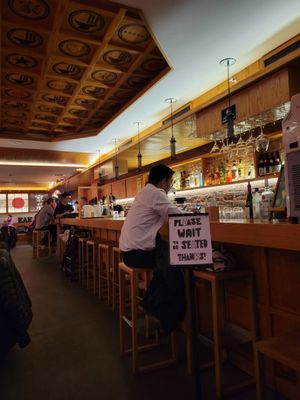
E.A.K. RAMEN and IZAKAYA by Machida Shoten Hell’s Kitchen

E.A.K. Ramen’s Zebra Ramen Is Unique and Laborious - Eater NY
"The award-winning Japanese chain import brings iekei-style noodles stateside in a very laborious manner. A spoonful of black garlic oil is then drizzled around the outer edges of the bowl. It’s made with sliced garlic fried in vegetable oil, which then gets ground up and mixed with more vegetable oil. Miyashita prefers peanut oil for additional umami, but doesn’t use it in the U.S. because of how common peanut allergies are here. Other ramen shop will also use onions in their garlic oil, he notes, but E.A.K. prefers a simpler, purer take on the aromatic topping. The addictive, aromatic stuff has actually proved dangerous for Miyashita: He proudly shows off a massive scar on his hand, the result of a bad burn a year ago that he got from cooking garlic oil that “exploded.” He spent a month in the hospital, and had skin grafted from his leg to his hand — the injury delayed his arrival in the U.S. Next, Miyashita places a slice of dried seaweed that’s customized with a white design, printed in calcium; some seaweed pieces have E.A.K.’s name in Japanese characters, while others say it in English along with its logo (of a steaming bowl of ramen, naturally) or are wordless, with just a heart and its logo. The final touch is a pat of unsalted butter, which dissolves into a luscious, glossy sheen, mingling with the collagen-rich fats from the pork and chicken bones. When E.A.K. first arrived stateside, it ambitiously plotted 1,000 shops all across the U.S. in the next decade; currently, they’re planning a second location in NYC this year, and shops in other cities nationally to follow soon, with recent research visits to markets like Boston and Denver. There’s also talk of launching a second ramen shop brand, with two NYC outposts to start, which will serve iekei-style soup, but without chashu and with a chicken-based broth, since pork-averse diners are perhaps more common here than in Japan." - Alexandra Ilyashov