5
North House Folk School

A Minnesota’s North House Folk School Teaches Apocalypse-Proof Crafts and Cooking | Eater Twin Cities
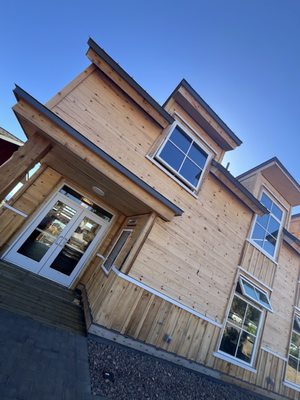
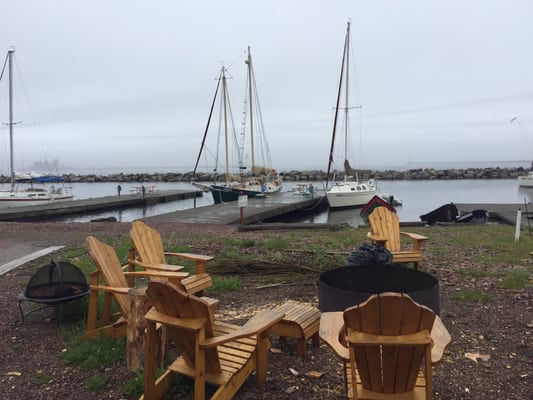
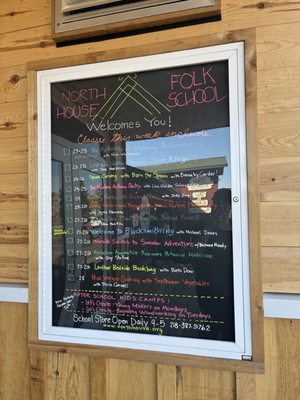
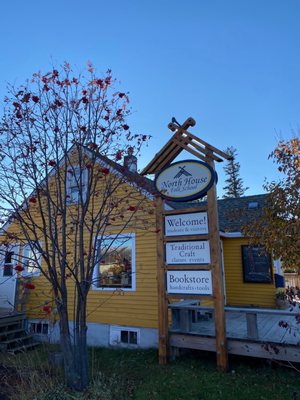
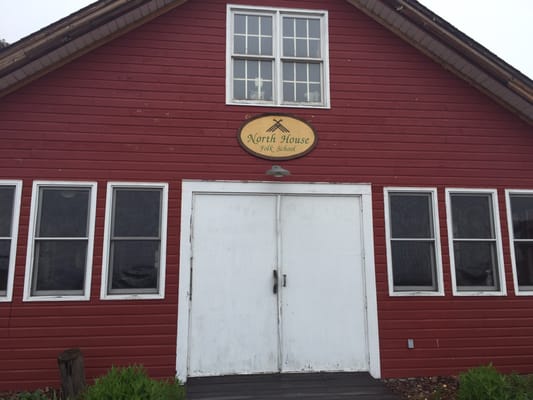
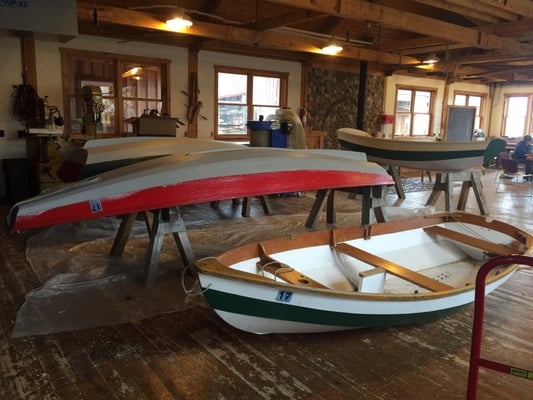
"Nestled against the waves of Lake Superior about 50 miles from the Canadian border, this 28-year-old craft community teaches everything from cabin-building, leatherworking, sewing, and foraging to apple cider craft and Baltic cooking, with especially popular classes in artisan bread, lamination, and whole-animal butchering that prioritize hands-on feedback over books or videos. I drove up from Minneapolis in March on snowy roads for a sheep hide tanning class with Eric Edgin (who also teaches meat fermentation and a wild foods course where students make cattail noodles) and spent long days learning by doing, with side projects like spoon carving, basketmaking, natural dyeing, spinning and wet-felting raw wool, and even making fish leather. Twice a week, the Swedish-style fika brings everyone together over coffee and pastries from local Crosby Bakery, a welcome pause to meet other students and instructors and to feel woven into the Grand Marais community. While the school centers northern cultures, its circumpolar approach extends from koji fermentation and Russian baking to Indigenous traditions from the Ojibwe and Cree; I saw those practices through classes like Marcie McIntire’s Anishinaabe-style moccasin and mitten sewing and beading, along with brain-tanned hide workshops and a giizhik (northern white cedar) course. Deep-dive culinary weekends, like chef Scott Graden’s All Things Cardamom (baking cakes, muffins, shortbread, bread, and sugar-topped kardemummabullar while exploring the spice’s European history), are wildly popular, even if skipping South Asian dishes left me missing some of the spice’s broader context. The place draws people seeking what some here call “apocalyptic skills,” yet what I found was as joyful as it was practical: I left with new confidence and, to my surprise, a strong desire to keep tanning hides and consuming animal products more sustainably. Though classes can be pricey, discounts, scholarships (sometimes with stipends), a two-week work-study option, internships, and an Artisan Development Program reflect a belief that craft should be for everyone." - Nylah Iqbal Muhammad
Information
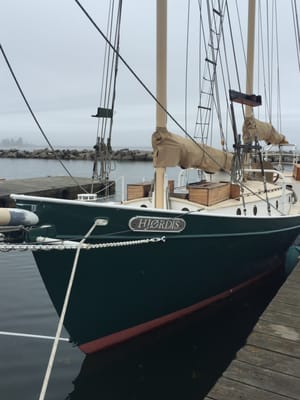
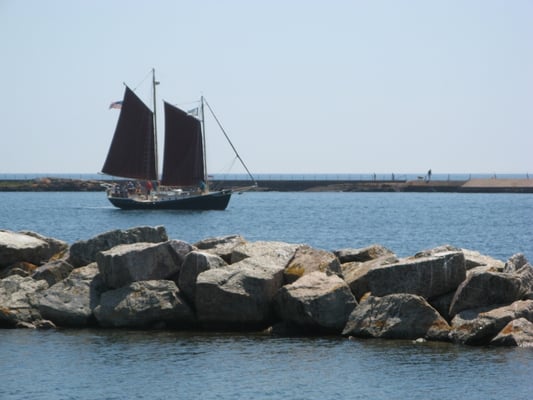
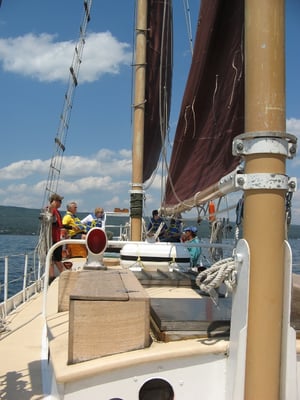
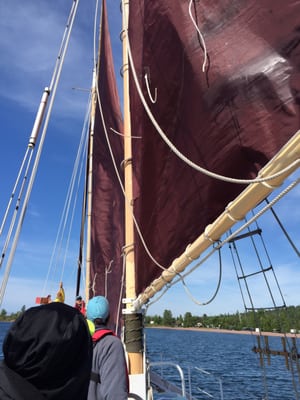
Learn traditional crafts: baking, butchery, sailing, woodworking, and more.