29
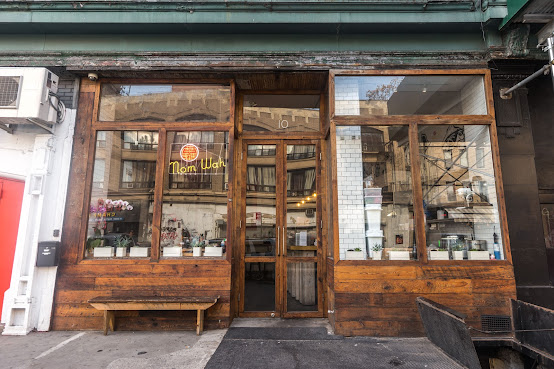
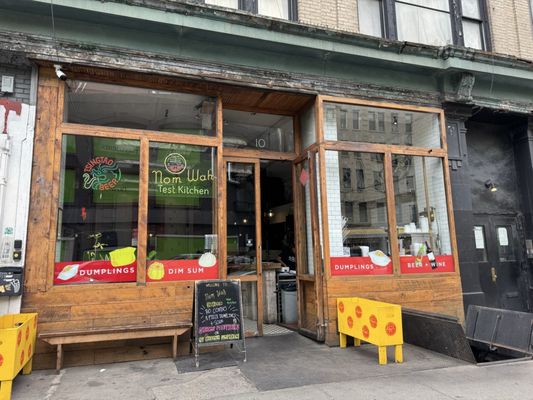
Nom Wah Nolita

A Century-Old NYC Dim Sum Icon Is Coming to Las Vegas | Eater Vegas
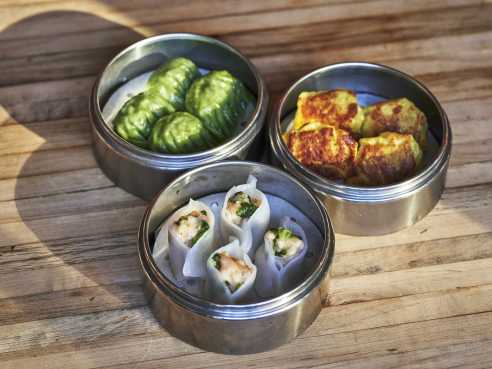
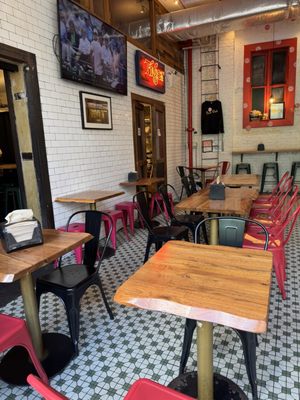
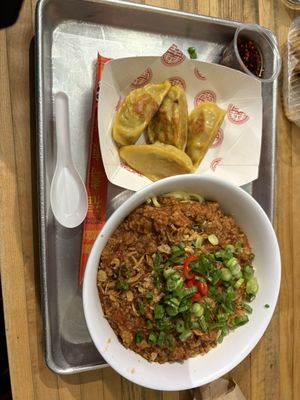
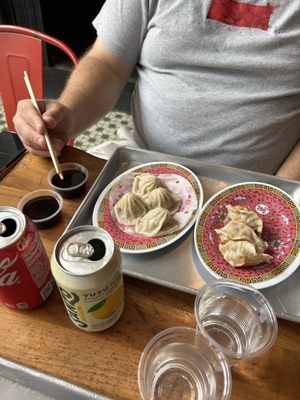
"First opened in 1920 in the heart of Manhattan’s Chinatown, at a crooked intersection once known as the “Bloody Angle,” this historic tea parlor began as a mooncake bakery — "dense pastries filled with red bean paste traditionally eaten during the Mid-Autumn Festival" — and remained known for those cakes until the 1950s, when longtime employee Wally Tang took over. "He was doing the cakes by hand," says Wilson Tang, Wally’s nephew. "We still have all of these different mooncake molds that are made out of wood that were chiseled." As trade opened between the U.S. and China in the ’80s and small Chinatown bakeries were edged out by more efficient mooncake production overseas, Wally Tang pivoted, transforming the bakery into a tea parlor that served dim sum and defining its next era. Wilson Tang took over in 2010, ditching traditional dim sum carts in favor of made-to-order dishes and modernizing the kitchen: "We’ve incorporated a lot of machines now to make our dim sum," says Tang. "That’s what allows for the growth that we have, because we’re utilizing both handmade and machine-made products." That different approach enabled expansion into restaurants Cha Cha Tang and Sal Tang’s and the manufacture of frozen dumplings for retail. Those dumplings — and other favorites — will travel west as the operation opens a stall at the JW Marriott in Summerlin this September as part of the resort’s new food hall, alongside an oyster bar from Top Chef star Fabio Viviani; Tang says the stall will serve "all the hits" from New York — xiao long bao, pork dumplings, crystal shrimp shumai, and noodle dishes — with tea as a main beverage alongside cocktails and other alcoholic drinks. Design for the Las Vegas outpost will nod to the original with vintage wood accents, mosaic floors, and red barstools like the ones at the Chinatown flagship. Tang says the move west was motivated by both personal and practical reasons — wanting to expand to the West Coast and seeing a lot of shared DNA between Las Vegas and New York: "it was a great opportunity to work with a major hotel brand like the Marriott," he says. "And as attractive as the Strip sounds, I’m just not that guy anymore." Credited in part to luck and timing, "My uncle purchased that location at the right time," he says. "It’s one of those iconic streets in New York." Beyond location, the business’s longevity is tied to a legacy of serving plump, juicy dumplings, steaming cups of tea, and the enduring flavors of early Chinese American cuisine, now headed for the desert." - Janna Karel