2
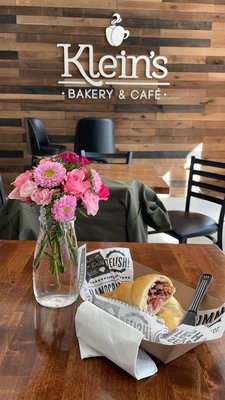
Klein’s Bakery & Cafe (LakeviewEast)
Klein’s Bakery & Cafe (LakeviewEast)

Behind the Scenes of Paczki Day in Chicago | Eater Chicago
"By the time the bakery opens to the public at 6 a.m. on Paczki Day (March 1), the production line in the back of the 100-year-old Lakeview bakery has already been running for eight hours to prepare for the crowds; in the past five days they’ve made — and, if all goes well, sold — 25,000 paczki. "It’s kind of insane," says Luke Karl, the general manager who runs the paczki operation, and he notes that last year a combination of the pandemic and a heavy snowstorm kept customers away (so the bakery even opened on Ash Wednesday once to get paczki to people who couldn’t leave their homes). The paczki-making starts in the basement with two giant German mixers, each more than 100 years old, churning 800 pounds of doughnut mix apiece (enough for about 1,400 paczki), and if a mixer breaks they must order parts from the one company that still makes them on the East Coast and hire a local mechanic to repair it. Bakers form two-and-a-half ounce dough balls, let them rest and rise in staggered batches so they don’t over-proof, then fry six paczki at a time on a conveyor fryer (one and a half minutes per doughnut, three-and-a-half hours per full batch), with a season that runs from the Thursday before Paczki Day through Tuesday and a maximum of about 20 batches. Most paczki are machine-stuffed except chunky apple-cinnamon (stuffed by hand) and the chocolate topping is applied by hand; this year they’re offering nine flavors, down from 13, because they’re "trying to keep things simple and manageable and deliver on what we promised instead of overpromising and working ourselves to death." To reduce chaos they stopped taking custom-mix preorder boxes and three years ago began giving everyone the same preorder assortment (special mixes must be requested in line), a change Karl calls "revolutionary" for calming the holiday rush. Most customers are once-a-year visitors who arrive early on their way to work (there’s a lull during the 9-to-5 day and then a late rush), and staff get through the season on lots of coffee and adrenaline. Karl, who grew up in Kansas City and became general manager 13 years ago after marrying into the Dinkel family, says paczki have long eclipsed hot cross buns at the bakery; they still make about 300 king cakes (without a plastic baby inside — "Mr. Dinkel has a law degree," so they put the baby on top for hosts to insert), and the family generally keeps the bakery closed on Ash Wednesday though last year’s storm was an exception. After the marathon of frying, Karl tries to go home, have dinner, and wash the smell of oil out of his hair; he sometimes splits a fresh paczek with a coworker (his favorite is plain), but these days he seldom indulges." - Aimee Levitt