1
Albuquerque Foundation

A Brand-New Porcelain Museum Just Opened In This Charming Town Near Lisbon
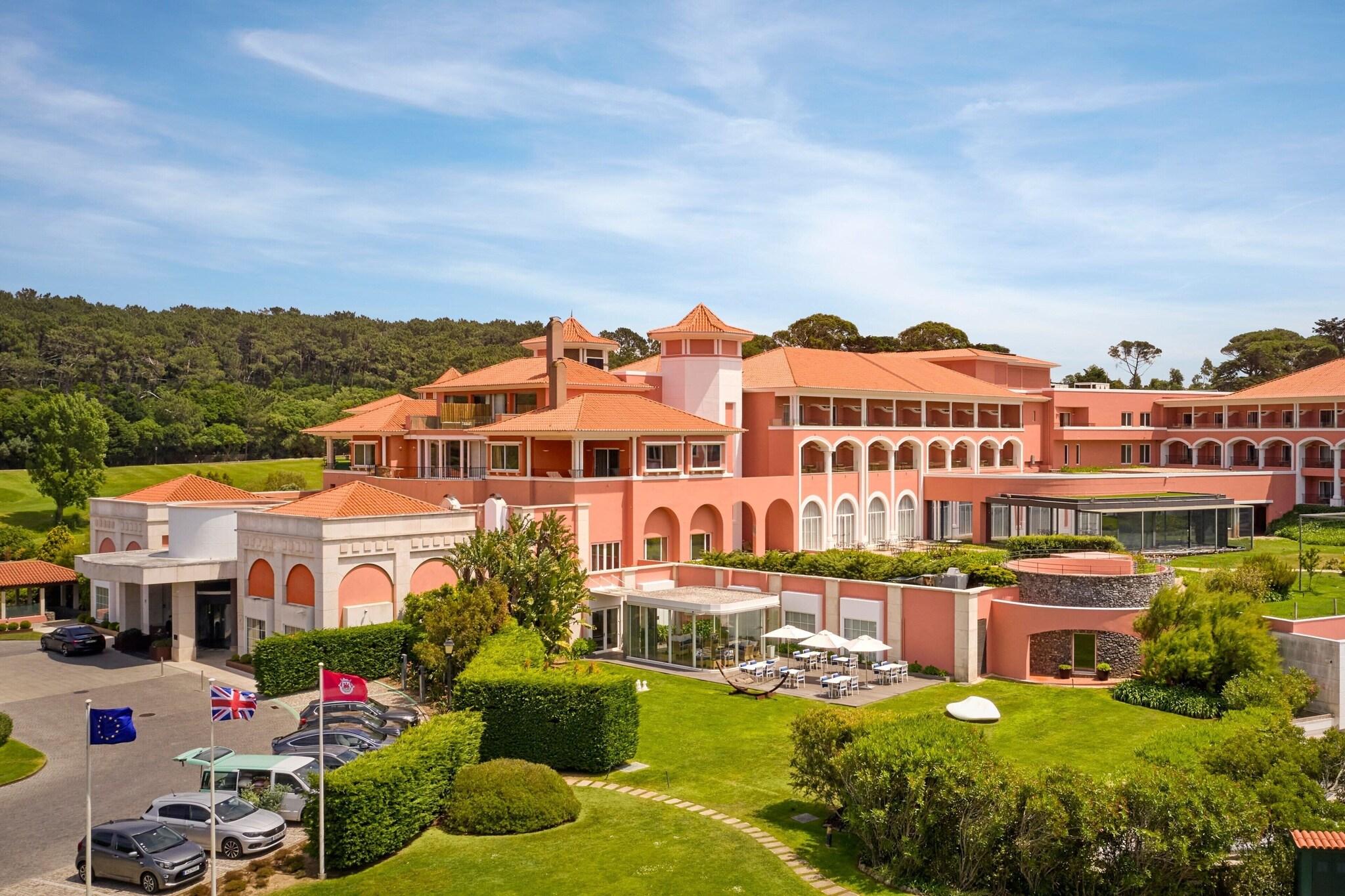
Converted from a traditional-style family holiday home in Linhó near Sintra, this brand-new public museum is dedicated to porcelain and built around Renato Albuquerque’s vast ceramics collection, considered one of the world’s largest holdings of Chinese export porcelain, including pieces from the Ming and Qing dynasties. The property now includes a museum shop, a restaurant, a library, and three artist-in-residence suites, alongside two striking contemporary buildings: a glass structure with a sweeping wooden canopy and spiral staircase leading to a semi-underground level filled with natural light, where exhibitions span from the 20th century BCE to the 18th century CE, and a second building at the back of the garden devoted to contemporary art. The inaugural show, “Connections,” presents about 20 percent of the more than 2,500-piece collection, arranged thematically (“Life in the East and West,” “Encounters,” and “The Spiritual Realm”) to reveal unexpected links between cultures and overlapping lifestyles in East and West, and is curated by porcelain expert Becky MacGuire. In the contemporary wing, “The Ever-Present Hand” by American ceramist, archivist, and musician Theaster Gates features one of its most striking installations as the floor itself, where visitors walk across black ceramic tiles that starkly contrast with classic Chinese porcelain’s pristine white “white gold,” while Gates’s work critically explores economic, political, and racial themes and incorporates select pieces from the Albuquerque Collection, raising questions about the global and Portuguese contexts in which these works were produced and emphasizing the need to learn from the past’s imperfections. - Vera Moura