4
Olympiastadion Berlin

Euro Final Stadium: The Complicated History of Berlin’s Olympiastadion
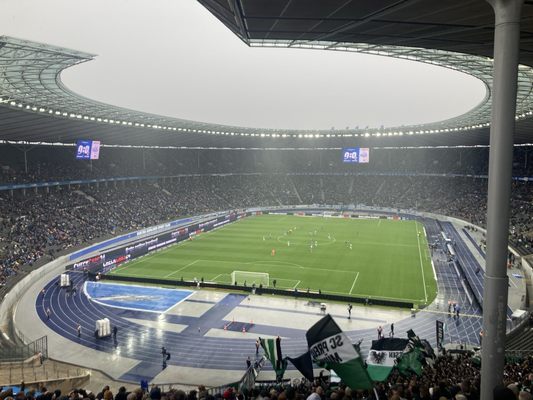
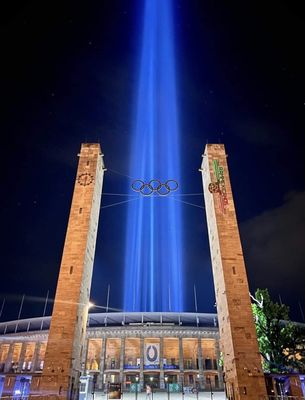
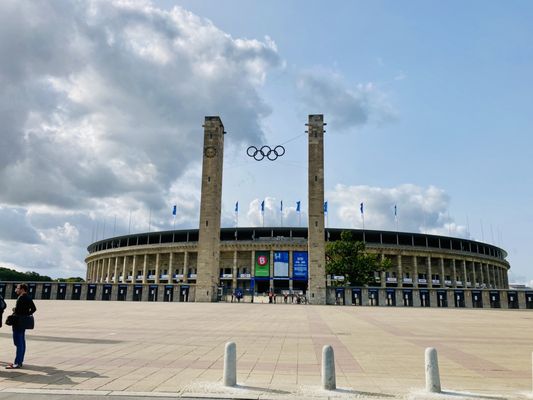
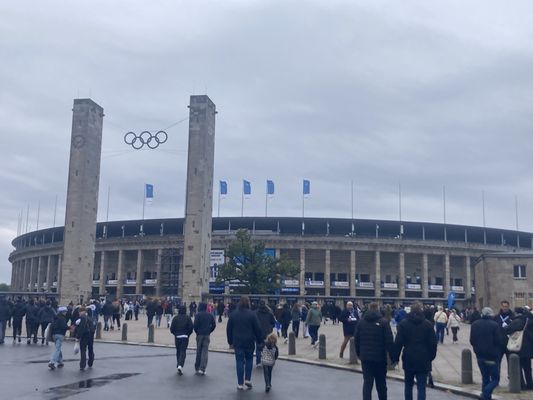
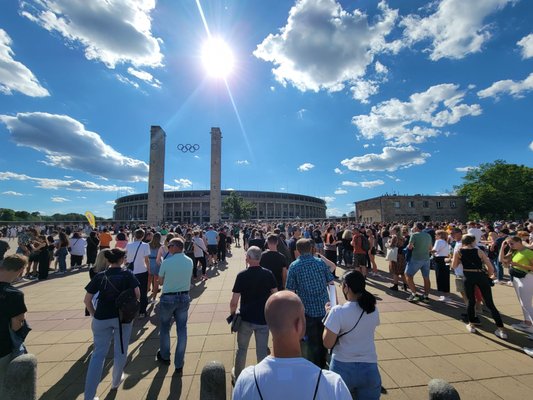
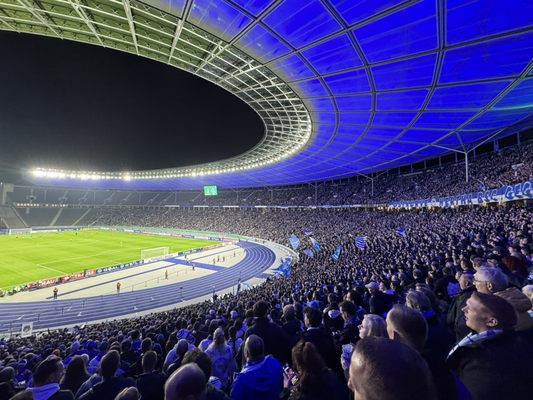
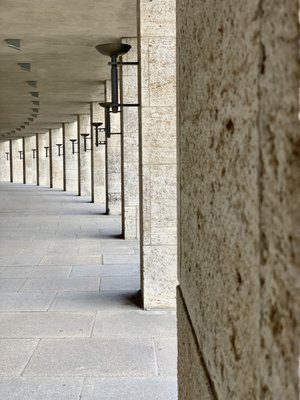
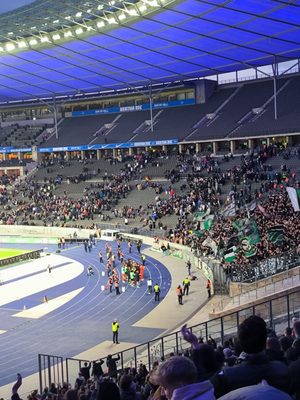
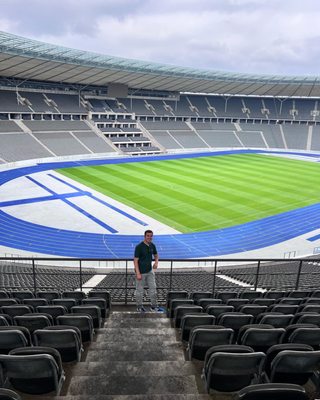
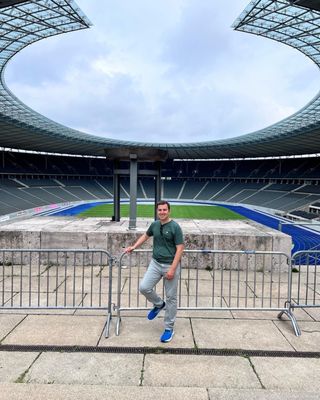
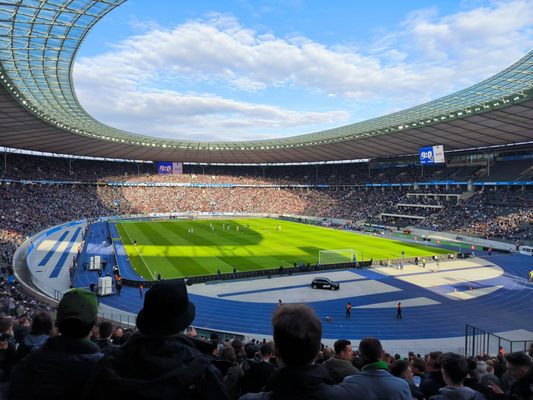
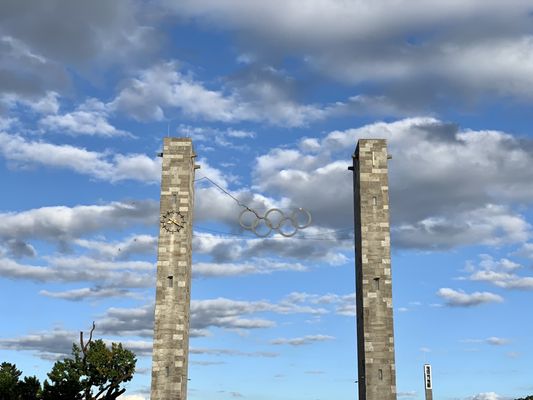
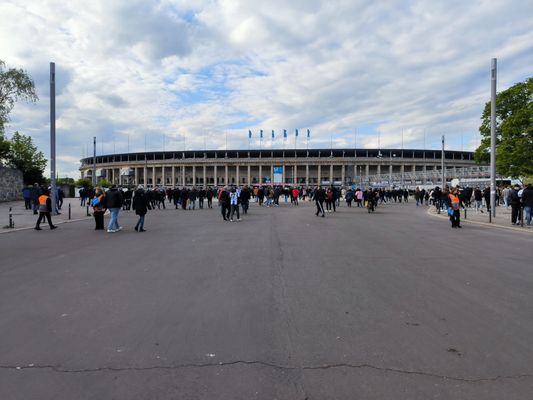
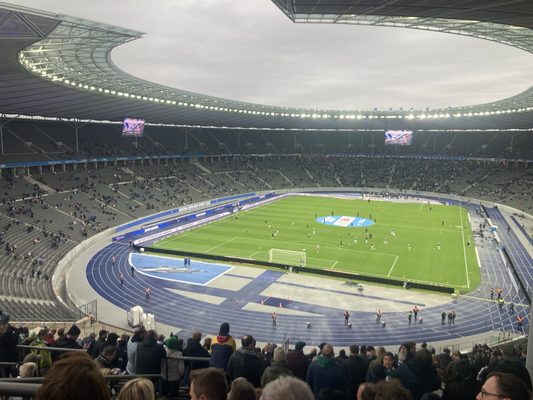
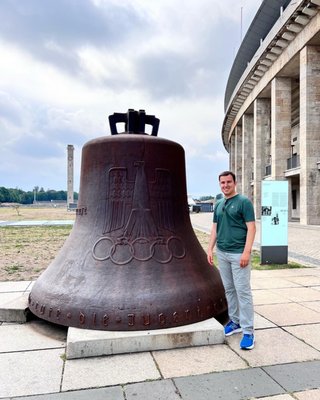
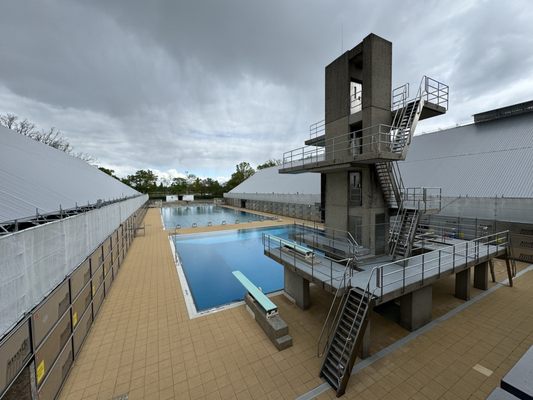
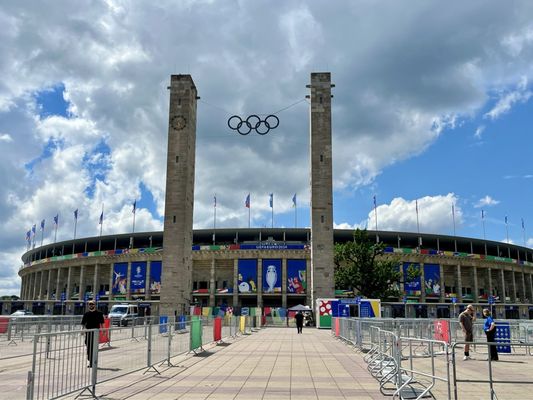
Now a gargantuan venue that hosts everything from football tournaments and the Olympic Games to events like the Euros, this stadium can hold around 74,000 spectators after a major renovation between 2000 and 2004 that added more spacious luxury boxes while retaining much of its 1930s exterior design. Built between 1934 and 1936 on the site of a demolished earlier stadium, its architecture by Werner March borrowed from classical sports arenas and originally accommodated 100,000 people, including for the 1936 Berlin Olympics, widely known as the ‘Nazi Olympic Games’. The venue became a focal point of the fascist era, used for Nazi propaganda events and a state reception for Benito Mussolini, and it witnessed historic moments such as Black American athlete Jesse Owens’ four gold-medal victories, captured in photos of him on the podium beside athletes giving the Nazi salute. During the Second World War the stadium and the surrounding Reichssportfeld, including the Waldbühne gymnastics venue, were converted into a bunker, a production site for detonators, and storage for food and wine, and it even functioned as a back-up radio station. Reopened in 1946 with an eight-nation athletics competition for Allied soldiers organised by British troops stationed in Berlin, it later underwent a long-debated transformation that preserved its imposing historic shell while turning it into a modern arena that has since hosted major events such as the 2006 FIFA World Cup, the 2011 Women’s World Cup and the 2015 Champions League final, and continues to be the stage for high-profile matches like the Euro 2024 final. - Liv Kelly