2
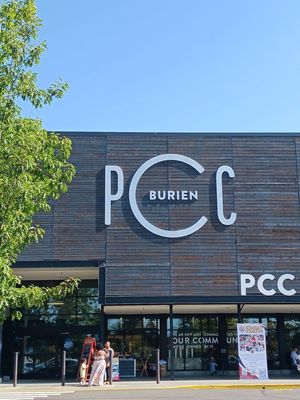
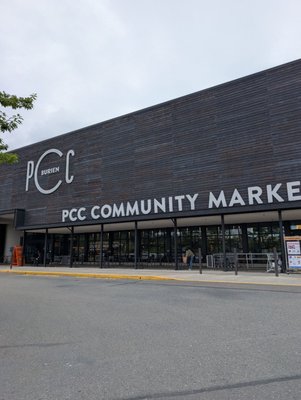
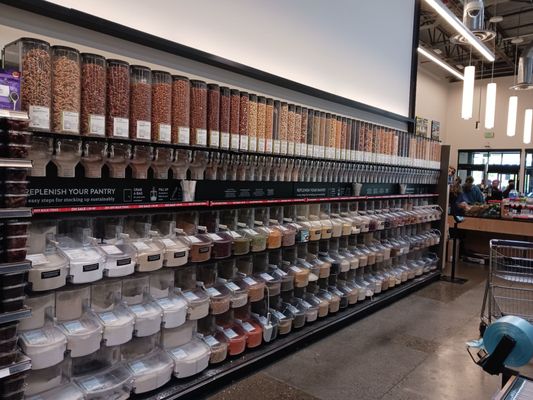
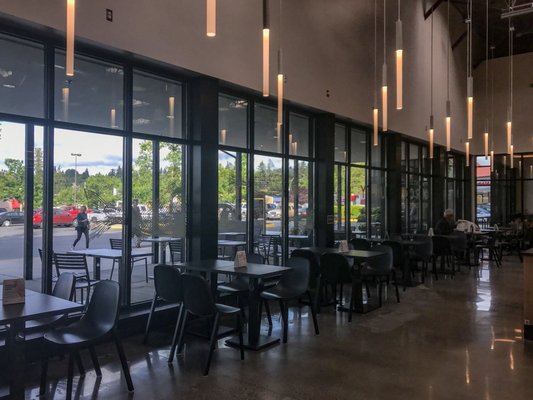
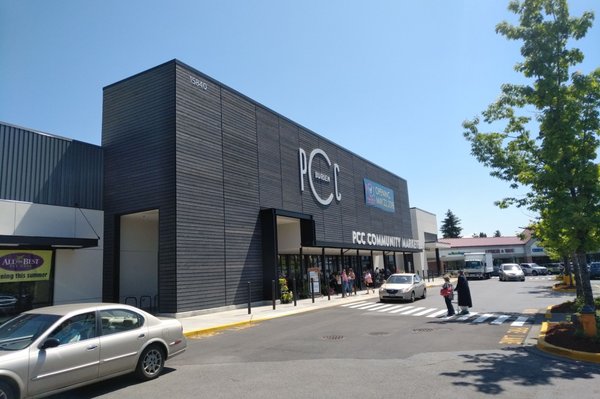
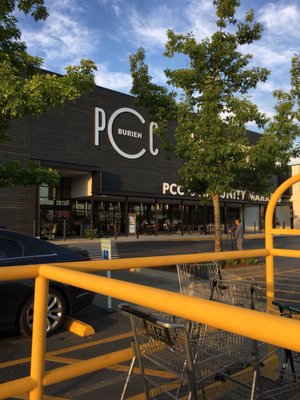
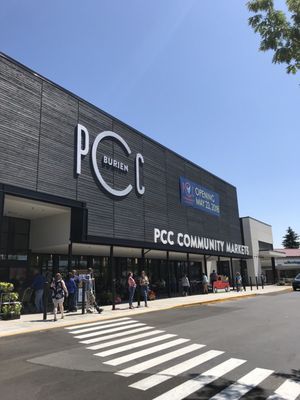
PCC Community Markets - Burien Co-op

PCC Workers Are Demanding Higher Wages and Better Conditions | Eater Seattle
"I saw a group of workers demonstrate outside the chain’s downtown location to call attention to low wages, insufficient staffing, and poor working conditions, signaling a likely contentious battle between employees and one of the city’s famously progressive grocery chains. PCC began in the 1950s as a food-buying club formed by several families and grew into a full-fledged grocery chain with more than a dozen locations stretching from Bothell to Burien; today it offers a luxurious shopping experience while retaining co-op roots, an emphasis on organic and non-GMO foods, and a membership program that once paid an annual dividend. Last year PCC cut dividend payments by 86% in 2021 (it had been $47 per member in 2020), which the chain blamed on the Seattle City Council’s COVID hazard-pay requirement — a $4-per-hour raise that was rescinded in early September and resulted in grocery workers losing that pay. The removal of hazard pay is a central issue for employees represented by UFCW Local 3000: the Seattle Times reported that 600 of the chain’s 1,800 employees signed a petition asking PCC to restore the pandemic hazard pay raise and make it permanent, and one worker said a PCC store set up a food pantry because rising costs and low pay left employees going hungry. Former City Council member Kshama Sawant joined the rally on behalf of Workers Strike Back and compared conditions at PCC to Amazon warehouses; the union is urging PCC to begin contract negotiations as soon as possible ahead of the contract’s expiration at the end of 2023 and is signaling it will make significant demands. PCC issued a statement to KIRO 7 saying it supports staff free-speech and organizing rights, is proud to partner with UFCW Local 3000, and looks forward to beginning collective bargaining this summer, as planned." - Harry Cheadle